TOP
 >> Exhibitions
 >> Honkan

Honkan

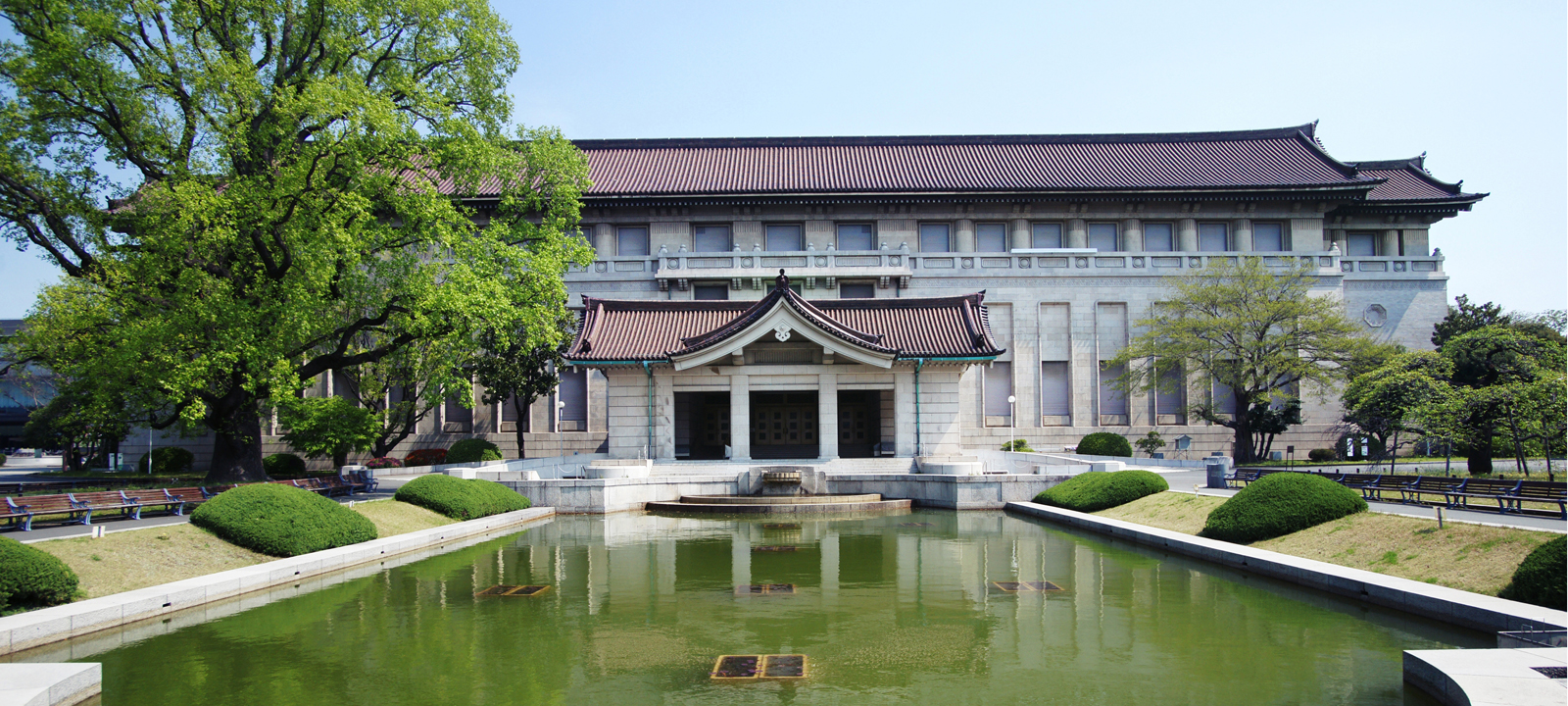
The original Main Gallery (designed by the British architect Josiah Conder) was severely damaged in the Great Kanto Earthquake of 1923. In contrast to western style of the original structure, the design of the present Honkan by Watanabe Jin is the more eastern "Emperor's Crown Style." Construction began in 1932, and the building was opened in 1938.
24 exhibition rooms on two floors provide a thorough introduction into Japanese art: "Highlights of Japanese Art" on the second floor introduces the development of Japanese art from Jomon through to the Edo period in a chronological manner, and genre galleries presenting specific rooms displaying ceramics, swords, lacquerwares, sculptures, modern decorative arts as well as the material culture of Ainu and Ryukyu are located on the first floor.

Floor Map
Museum Shop


2nd floor "Highlights of Japanese Art"

  
The Dawn of Japanese Art: Jomon, Yayoi and Kofun periods
Room 1  May 8, 2013 (Wed) - December 8, 2013 (Sun)

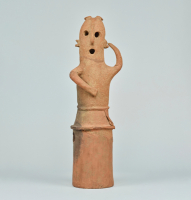
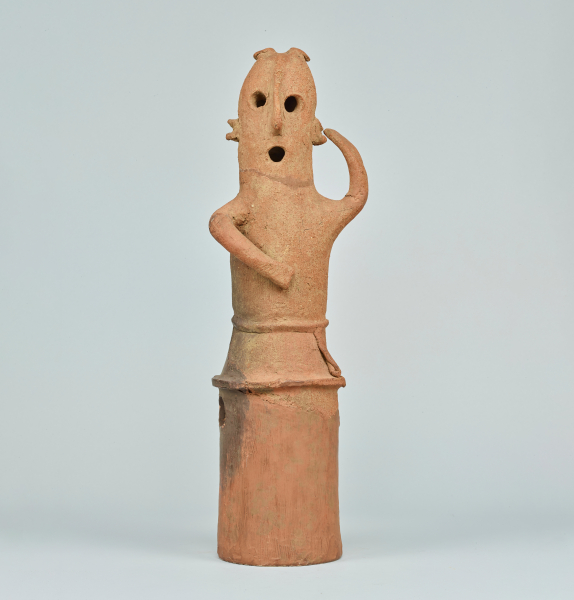
The Jomon culture began around 12,000 years ago. Earthenware vessels of this age with various motifs and styles are the starting point of "Highlights of Japanese Art." In the Yayoi period (450 B.C.- A.D. 250), pottery with a simplistic yet refined beauty and dotaku bell-shaped bronzes were prominent. Typical objects from the Kofun period (A.D. 250-600), such as haji, sue wares and haniwa figurines, as well as mirrors, arms and armor, saddlery, and accessory, which expresses the essence of metal and glass craftsmanship, are also featured.
Current exhibit includes:
Deep Bowl with Flame-like Ornamentation, Attributed provenance: Umataka, Nagaoka-shi, Niigata, Jomon period, 3000 - 2000 BC
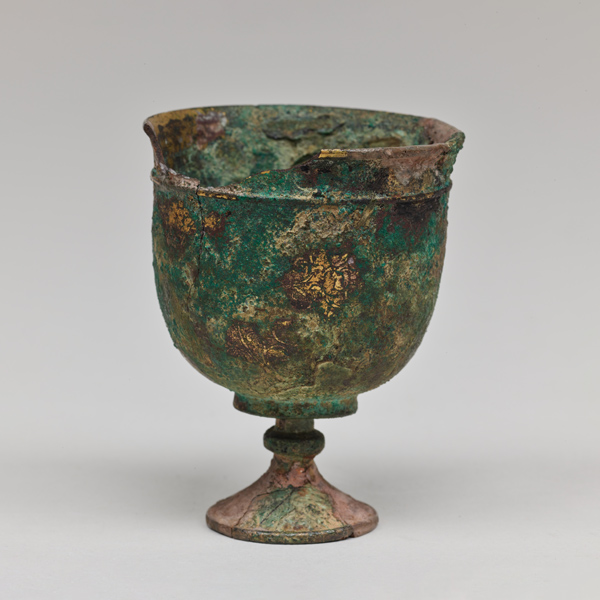
Slippers, Gilt Bronze, From Eta Funayama Tumulus, Nagomi-machi, Kumamoto, Kofun period 5th - 6th century (National Treasure)
Jar, From Kugahara, Ota-ku, Tokyo, Yayoi period, 1st - 3rd century (Important Cultural Property, Private collection)
Jar, From Takakura-cho, Atsuta-ku, Nagoya-shi, Aichi, Yayoi period, 1st - 3rd century (Important Cultural Property, Gift of Mr. Tokugawa Yorisada)
Footed Jar with Narrow Neck, Sue ware, From Kaniana Tomb, Toshi-cho, Toba-shi, Mie, Kofun (Asuka) period, 7th century (Important Cultural Property, Gift of Mr. Kawahara Matsuzo)


The Rise of Buddhism: Asuka - Nara period
Room 1  May 8, 2013 (Wed) - June 23, 2013 (Sun)

In the mid-6th century, Buddhism was officially introduced into Japan from the kingdom of Baekje on the southeastern coast of the Korean peninsula. Japanese culture made a remarkable progress with the adoption of Buddhism. This gallery features early Buddhist statues, sutras, reliquaries, and ritual implements from the Asuka and Nara periods.
Current exhibit includes:
Seated Nikko Bosatsu (Suryaprabha), Formerly owned by Kinrinji and Kozanji, Kyoto, Nara period, 8th century (Important Cultural Property)
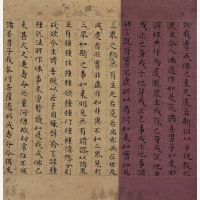
Zoagon Kyo (Buddhist Scripture), Nara period, dated 743 (Important Art Object, Gift of the Ogura Foundation)
Ritual objects used in consecration of building site of Main Hall, Kohfukuji, Excavated from under the building site of Main Hall, Kohfukuji, Nara, Nara period, 8th century (National Treasure)
Reliquary, Excavated from former Mishima Temple site at Oda, Ibaraki-shi, Osaka, Nara period, 8th century (Important Cultural Property, Gift of Mr. Ota Jisaburo and Mr. Hirano Sutejiro)


Room 2  April 16, 2013 (Tue) - May 26, 2013 (Sun)

This room is specially designed for the comfortable viewing of masterpieces in a tranquil setting. With each rotation, one exceptional work of painting or calligraphy designated as National Treasure will be presented. The selections come from the Museum's collection or works that are on loan to the Museum.
On Exhibit:
Hokan shu, Vol. 23, Heian-Muromachi period, 12th - 14th century (National Treasure, Lent by Kongobuji, Wakayama)

  
Buddhist Art: Heian - Muromachi period
Room 3  May 8, 2013 (Wed) - June 23, 2013 (Sun)

Buddhist art is one of the major genres that define Japanese art. Many masterworks date from the late Heian period, a time characterized as classical in Japanese art history. After the Kamakura period, Buddhist art further developed in its materials, methods, and styles as Zen schools and other new Buddhist schools emerged, together with the influence from the Chinese arts. This exhibit features artworks from the Heian to Kamakura periods, when Buddhist art most flourished, adding siginificant objects from the Nanbokucho and Muromachi periods.
Current exhibit includes:
Seated Priest Yuiken, By Chokei, Nanbokucho period, dated 1372 (Important Cultural Property, Lent by Hokaiji, Kanagawa)
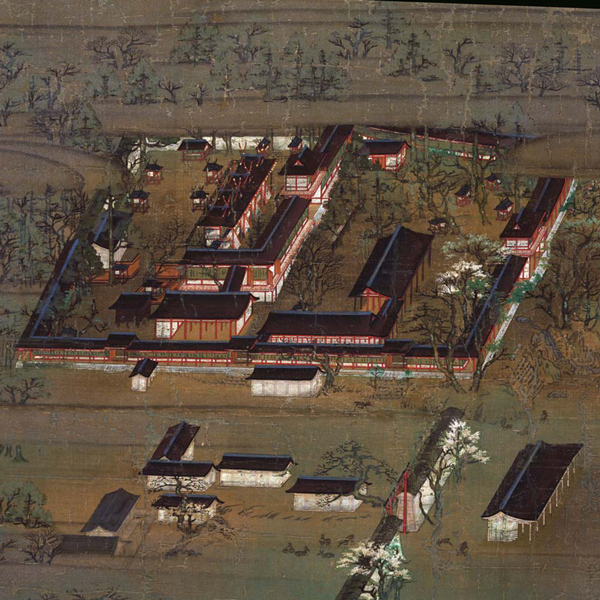
Kasuga Shrine Mandala, Kamakura period, 13th century
Mandala of Hie Sanno Honchi-butsu (Shinto gods as Buddhist deities), Kamakura period, 14th century (Important Cultural Property, Lent by Reiunji, Tokyo)
Plaque with Hairline Engraving of Zao Gongen, Excavated from Kinpusen, Tenkawa-mura, Yoshino-gun, Nara, Heian period, dated 1001 (National Treasure, Lent by Nishiaraidaishi Soujiji, Tokyo)
Narrative Picture Scroll of Legends about the Origin of Kitano Tenjin Shrine, Vol. 2, Kamakura period, 13th century (Important Cultural Property)
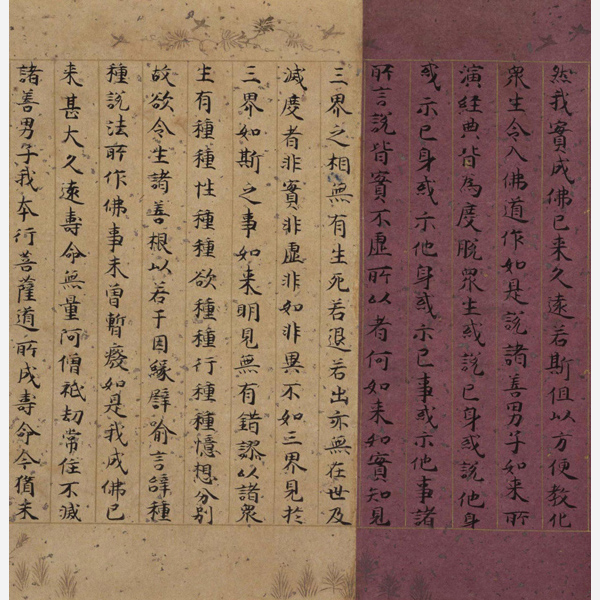
Heart Sutra of the Divine Incantation of Amoghapasa, (J.,Fukukenjaku Jinshu Shingyo), By Saionji Kinhira, Kamakura period, dated 1306 (Important Cultural Property)
Words of Prayer, By Jien, Kamakura period, dated 1224 (Important Cultural Property)

  
Courtly Art: Heian - Muromachi period
Room 3  May 8, 2013 (Wed) - June 23, 2013 (Sun)

The courtiers were strongly involved in the arts through the Heian and Muromachi periods, their aesthetic tastes playing a great role in Japanese art history. Literature works such as waka poems and other calligraphy written by courtiers, and e-maki narrative picture scrolls are displayed in this room with decorative art objects.
Current exhibit includes:
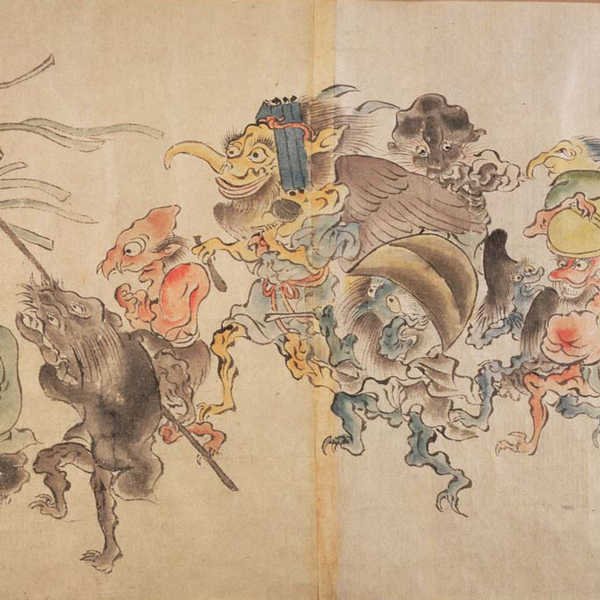
Segment of Narrative Picture Scroll of Legends about the Origin of Kitano Tenjin Shrine, Known as "Kitano honji emaki", Kamakura period, 13th century (Private collection)
Narrative Picture Scroll of Stories about Kan Josho, Muromachi period, 16th century (Private collection)
Shinka sho (Collection of Shinto songs), Heian period, 10th century (Important Cultural Property)

  
Zen and Ink Painting: Kamakura - Muromachi period
Room 3  May 8, 2013 (Wed) - June 23, 2013 (Sun)

This gallery features works by famous artists of the landscape-painting genre, along with famous works of bokuseki (calligraphy by Zen priests).
Current exhibit includes:
Painting on Zen Enlightenment: Zen Patriarchs, Attributed to Kano Motonobu, Former panel paintings from the hojo (abbot's chamber) of Daisen-in temple, Muromachi period, 16th century (Important Cultural Property)
Landscape of the Four Seasons, By Yogetsu, Muromachi period, 15th century (Important Cultural Property)

  
The Art of Tea Ceremony
Room 4  May 21, 2013 (Tue) - August 18, 2013 (Sun)

This gallery highlights the way of tea through its various art works such as paintings and calligraphy, vases, vessels for kaiseki meals, kettles, tea caddies, and tea bowls.
Current exhibit includes:
Water Jar in Shape of Pail, Design in underglaze blue, Jingdezhen ware, Kosometsuke type, Ming dynasty, 17th century (Gift of Mr. Hirota Matsushige)
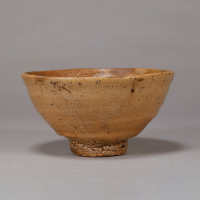
Tea Bowl, Horimishima type; known as "Kimura", Korea, Joseon dynasty, 16th - 17th century (Gift of Mr. Hirota Matsushige)

  
Attire of the Military Elite: Heian - Edo period
Room 5 & 6  April 16, 2013 (Tue) - July 7, 2013 (Sun)

Beginning with the sword which is the most important possession of a samurai, this gallery focuses on arms and armor, saddlery, attire of the warriors as well as their portraits and hand-writings.
Current exhibit includes:
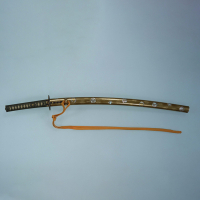
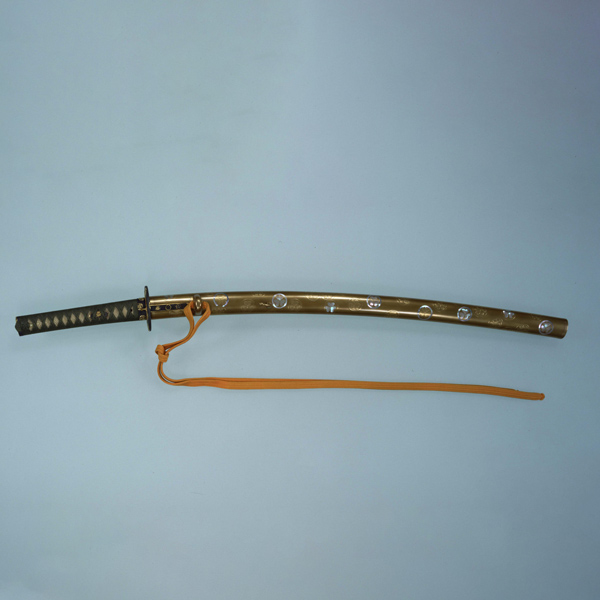
Itomaki-no-tachi Style Sword Mounting, Black leather-bound scabbard and gold fittings with paulownia design, Muromachi period, 15th century (Important Cultural Property)
Tanto Sword, By Kanemitsu, Kamakura period, 14th century (Important Cultural Property, Lent by Okamiyama-jinja, Tottori)
Aikuchi Style Sword Mounting (for tanto sword by Kanemitsu), Covered with gold sheet, Edo period, 17th century (Important Cultural Property, Lent by Okamiyama-jinja, Tottori)
Haramaki Type Armor, With dark blue leather lacing in katasusodori style, Muromachi period, 16th century (Important Cultural Property, Lent by Hinomisaki-jinja, Shimane)

  
Folding Screens and Sliding Door Paintings: Azuchi-Momoyama - Edo period
Room 7  May 21, 2013 (Tue) - July 7, 2013 (Sun)

This gallery is dedicated to the genre of shohei-ga, which includes mural paintings, fusuma paintings and byobu paintings. The room is especially designed for an effective display of grand-scale paintings.
Current exhibit includes:
Flowers and Birds, By Soga Nichokuan, Edo period, 17th century

  
The Arts of Daily Life: Azuchi-Momoyama - Edo period
Room 8  March 26, 2013 (Tue) - June 23, 2013 (Sun)

The maturing of Japanese culture supported by the military and commoner classes continued throughout the Azuchi-Momoyama and Edo periods. This gallery introduces the craft of interior furnishings and daily utensils that adorned the life of the people during these periods.
Current exhibit includes:
Tea Caddy, Drooping-cherry design in maki-e lacquer, Edo period, 17th century (Gift of Mr. Hirota Matsushige)
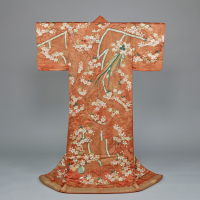
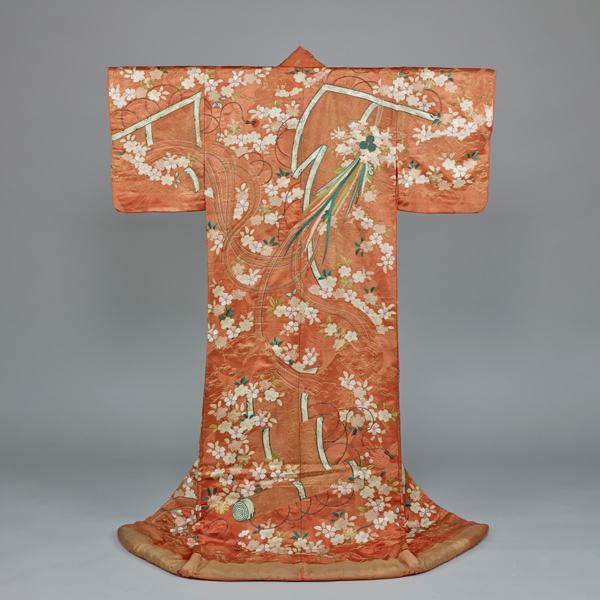
Uchikake (Outer garment), Carts of Japanese apricots, cherries, peonies and chrysanthemums design on white figured satin, Edo period, 19th century
Hitoe (Summer Garment), Wisteria, hollyhock and carriage wheel design on red silk crepe, Edo period, 19th century
Sake Ewer in the Shape of a Gourd, By Funada Ikkin, Edo period, dated 1843
Large Dish, Cherry blossom and figure design in overglaze enamel, Imari ware, Edo period, 18th century
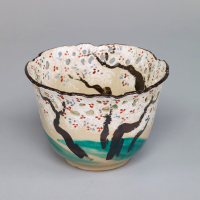
Bowl, Cherry blossom and maple tree design in overglaze enamel, By Ninnami Dohachi, Edo period, 19th century (Important Art Object, Private collection)


Developments in Painting and Calligraphy: Azuchi-Momoyama - Edo period
Room 8  May 21, 2013 (Tue) - July 7, 2013 (Sun)

This gallery introduces the dynamic and multi-faceted world of paintings and calligraphy from the Azuchi-Momoyama to the Edo period.
Current exhibit includes:
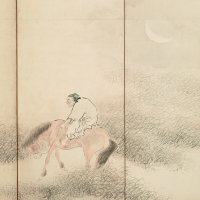
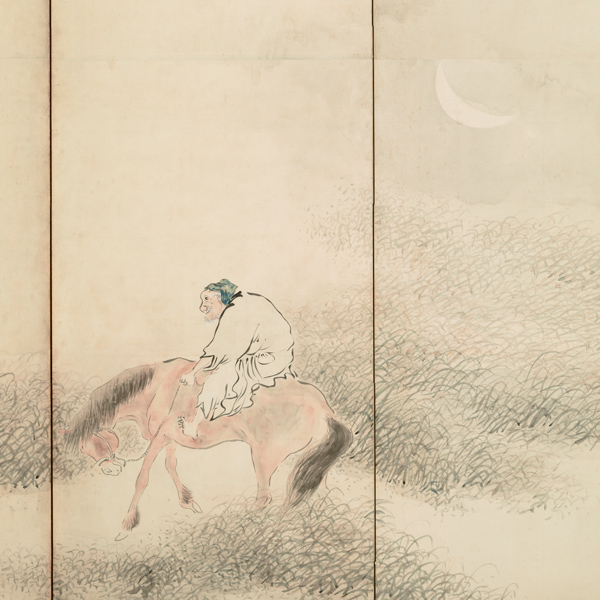
Shelter from Sudden Rain, By Hanabusa Itcho, Edo period, 18th century
Sketches of Flowering Plants: Summer, By Kano Tan'yu, Edo period, 17th century
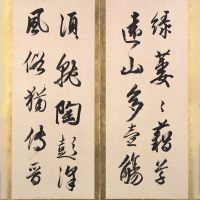
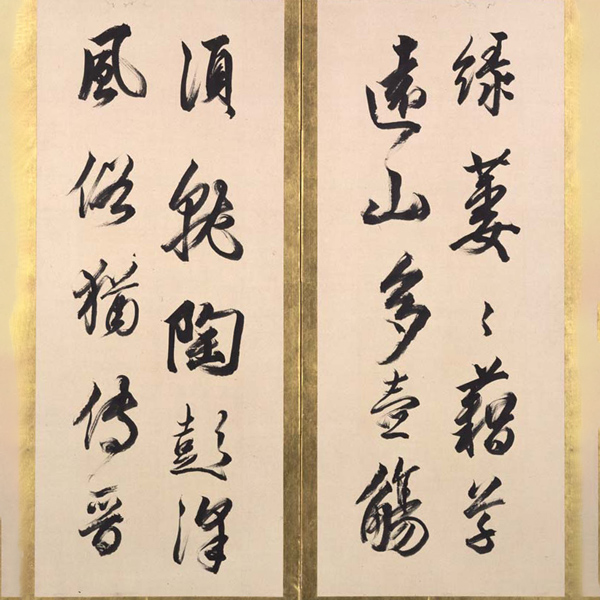
Philosophical Essay (Gakushiron), By Ichikawa Beian, Edo period, dated 1839 (Gift of Mr. Ichikawa Sanki)

  
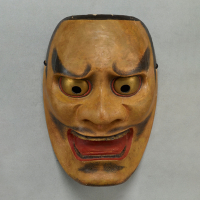
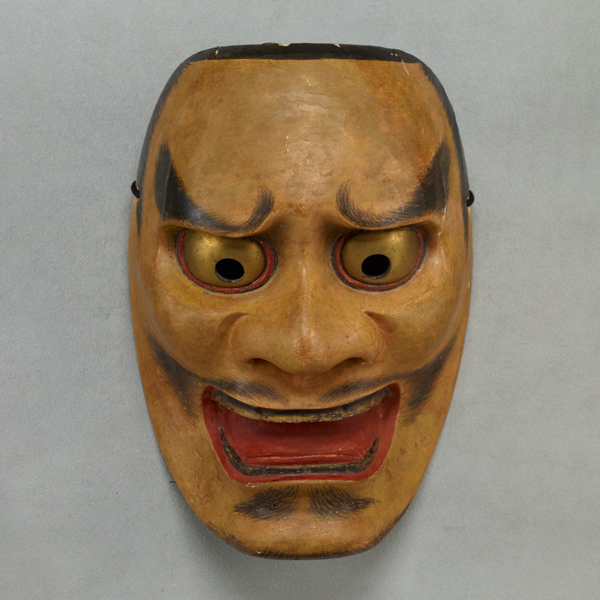
Noh and Kabuki: Noh Masks and Costumes of Kantan (The Pillow of Kantan)
Room 9  April 23, 2013 (Tue) - June 23, 2013 (Sun)

Exhibit includes:
Nuihaku Garment (Noh costume), Basket pattern and iris design on red, white, green and purple checkered ground, Edo period, 19th century
Happi Coat (Noh costume), Shokko pattern design on gold ground, Formerly preserved by the Konparu School, Nara, Edo period, 18th century

  
Ukiyo-e and Fashion in the Edo Period: Ukiyo-e
Room 10  May 21, 2013 (Tue) - June 23, 2013 (Sun)

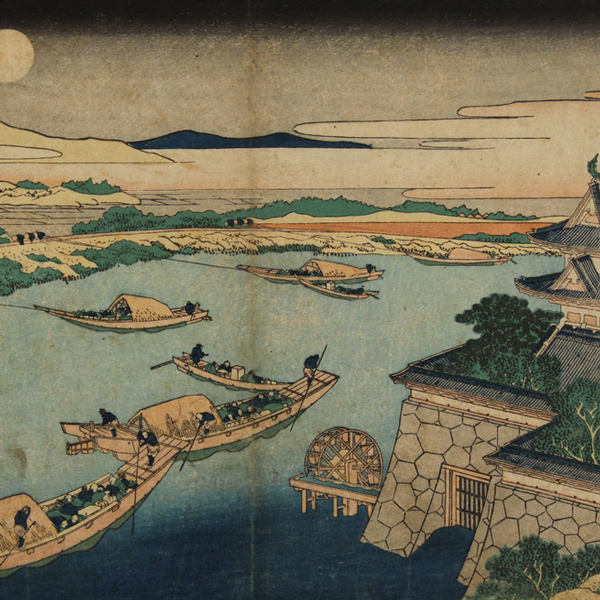
Ukiyo-e, or depictions of everyday life in the Edo period (1603-1868), initially developed in the early Edo period as paintings by artists. After this, woodblock printing developed to enable the mass production of ukiyo-e, and innovative carving and printing techniques led to the accomplishment of multicolored nishiki-e prints. Starting with genre paintings by Iwasa Matabei, who is sometimes called a forerunner to ukiyo-e, this exhibition focuses on works with seasonal themes of early summer and follows the development of ukiyo-e through prints by famous artists such as Suzuki Harunobu, Kitagawa Utamaro, Katsushika Hokusai and Keisai Eisen.
Exhibit includes:
Mitate (Parody) of Ono no Tofu (Famous calligrapher of the Heian period), By Suzuki Harunobu, Edo period, 18th century
Sundial of Young Women: Hour of the Horse (Twelve o'clock p.m.), By Kitagawa Utamaro, Edo period, 18th century (Important Cultural Property)
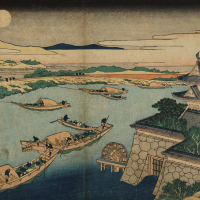
One Hundred Poems Explained by a Nurse: Bunya no Asayasu, By Katsushika Hokusai, Edo period, 19th century

  
Ukiyo-e and Fashion in the Edo Period: Fashion
Room 10  April 23, 2013 (Tue) - June 23, 2013 (Sun)

Introduces the fashion of the Edo period townspeople. Enjoy comparing with the ukiyo-e works exhibited in the same room.
Current exhibit includes:
Kosode (Garment with small wrist openings), Stream, pine and wisteria design on white figured silk satin ground, Edo period, 17th - 18th century
Kosode (Garment with small wrist openings), Weaves and flower roundels design on light blue twill, Edo period, 19th century
Inro (Medicine case), Chicken design in maki-e lacquer, Edo period, 19th century

2nd floor

  
Room T1 & T2  May 14, 2013 (Tue) - June 16, 2013 (Sun)

Except for China, Japan preserves the most Chinese paintings in the world. This is because, during a thousand-year period of exchange with China, Japanese people have cherished and carefully passed on Chinese paintings. With a focus on the Edo period, this exhibition shows how treasured Chinese paintings (which were known as kara-e at the time), have been preserved.

  
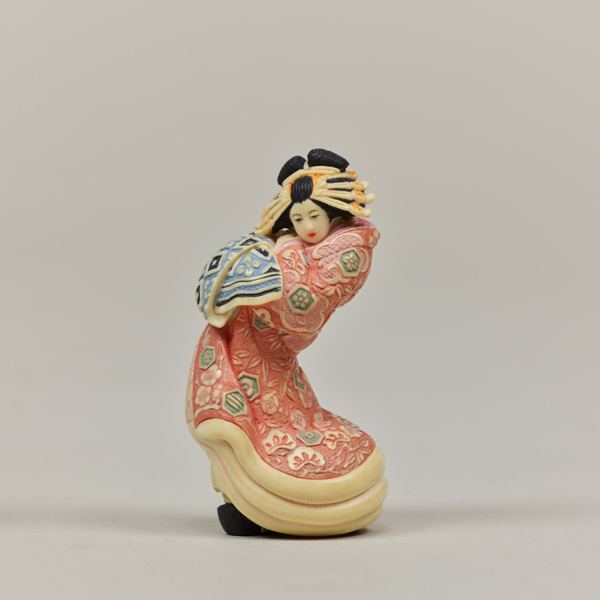
Netsuke: The Prince Takamado Collection
Netsuke: The Prince Takamado Collection  March 26, 2013 (Tue) - June 23, 2013 (Sun)

Including:
Strange Things Do Happen!, By Kangyoku Tachihara, 1992
Melon, By Kinuyo Hariya, 1996
Ground Cherry, By Seiho Azuma, 1994
Squirrel, By Tadamine Nakagawa, 1989
Hatching Snake, By Susan Wraight, 1993
 

1st floor

  
Japanese Sculpture
Room 11  March 19, 2013 (Tue) - June 9, 2013 (Sun)

This gallery introduces the history of sculptural art in Japan through prototypical wood-sculptures featuring examples dating from the Heian and Kamakura periods, the zenith of Japanese sculpture.
Current exhibit includes:
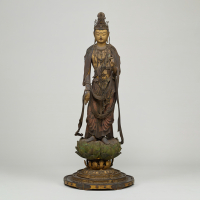
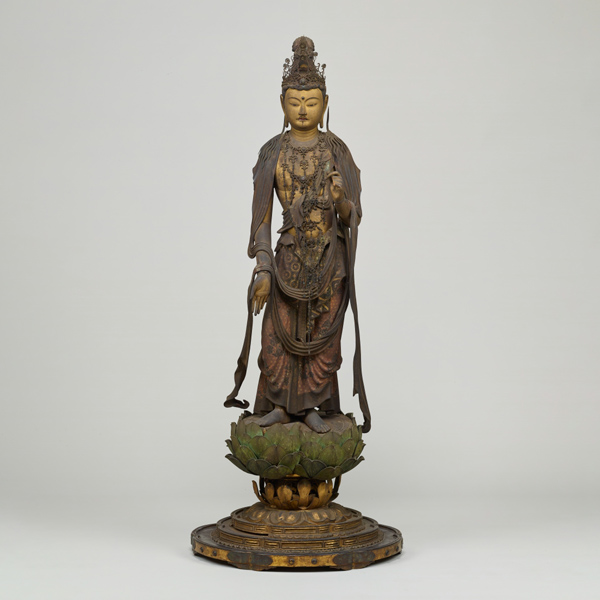
Standing Sho-kannon Bosatsu (Arya-avalokitesvara), Heian period, 9th century (Important Cultural Property, Lent by Daigoji, Kyoto)
Standing Nyorai (Buddha), Asuka period, 7th century, Treasures from Horyu-ji
Standing Komoku-Ten (Virupaksa), Heian period, 9th century (Important Cultural Property, Lent by Shojoji, Fukushima)
Standing Zochoten (Virudhaka), Heian period,9th century (Important Cultural Property, Lent by Ninnaji, Kyoto)
Seated Monju Bosatsu (Manjusri) and Attendants, By Koen, Formerly owned by Kohfukuji, Nara, Kamakura period, dated 1273 (Important Cultural Property)

  
Lacquerware
Room 12  March 19, 2013 (Tue) - June 9, 2013 (Sun)

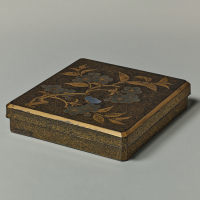
Features maki-e works from Heian to Edo period. The exhibit shows the history and beauty of maki-e, a unique lacquerwork method that developed in Japan.
Current exhibition includes:
Writing Box, Mount Hira design in maki-e lacquer, By Shiomi Masanari, Edo period, 18th century (Important Cultural Property)
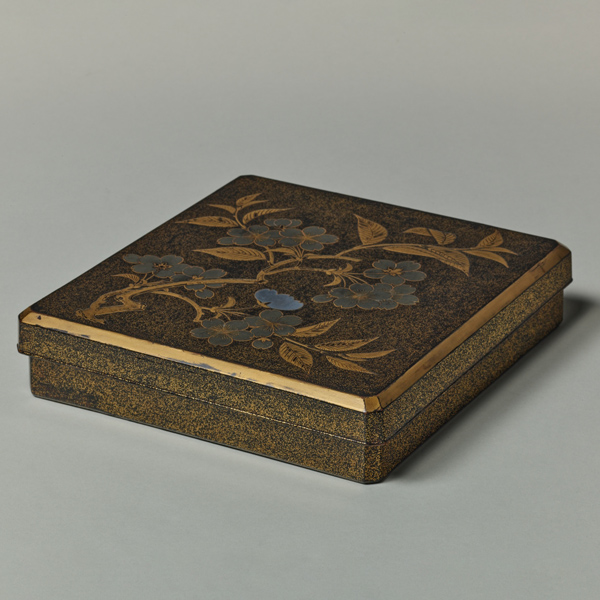
Writing Box, Yatsuhashi bridge design in maki-e lacquer and mother-of-pearl inlay, By Ogata Korin, Edo period, 18th century (National Treasure)
Box for Priest's Vestment, Mount Penglai (Horai) design in maki-e lacquer, Heian period, 12th century, Treasures from Horyu-ji (Important Cultural Property)
Writing Box, Mount Hatsuse design in maki-e lacquer, Muromachi - Azuchi-Momoyama period, 16th century (Important Cultural Property)


Metalwork: Buddhist Kyozo and Kakebotoke
Room 13  March 19, 2013 (Tue) - June 2, 2013 (Sun)

Kyozo are engravings or paintings of Buddhist or Shinto deities on bronze panels that are similar to mirrors. Panels with three-dimensional representations of these deities are known as kakebotoke. These items were considered sacred and were hung up as objects of worship. The arrival and development of kyozo was connected to such factors as Esoteric Buddhist contemplation and honji suijaku, a theory that Buddhist deities could appear as Shinto gods, based on the syncretism of Shinto and Buddhism. Beginning with kyozo in Esoteric Buddhism, their shape gradually became more three-dimensional throughout the Heian period, with kakebotoke becoming dominant from the Kamakura period onward. This exhibition highlights this change of form, as well as metalworking techniques such as engraving, casting, and forging for producing images of Buddhist and Shinto deities.
Current exhibit includes:
Mirror with Image of Juichimen Kannon (Ekadasamukha) in Hairline Engraving, Heian period, dated 1159 (Important Cultural Property)
Pendent Plaque with Image of Kannon (Avalokitesvara), Kamakura period, dated 1275 (Important Cultural Property)
Plaque with Cast Image of Zao Gongen, Excavated from Kinpusen, Tenkawa-mura, Yoshino, Nara, Heian period, 12th century (Important Cultural Property, Lent by Ominesanji, Nara)


Japanese Swords
Room 13  March 19, 2013 (Tue) - June 9, 2013 (Sun)

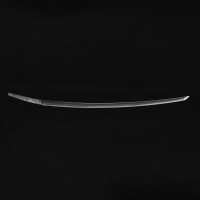
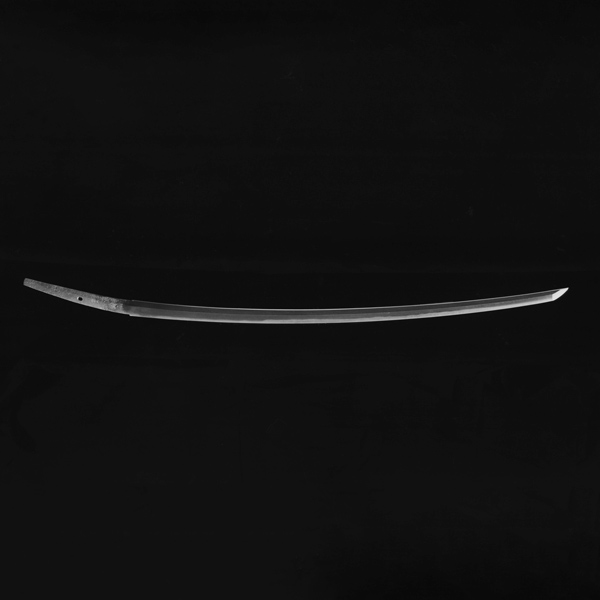
Exhibits selected swords and sword-fittings from the Heian to Edo periods, including the Tachi Sword, Known as "Okanehira",
Current exhibit includes:
Tachi Sword, Known as "Okanehira", By Kanehira, Heian period, 12th century (National Treasure)
Kodachi Sword, By Nagamitsu, Kamakura period, 13th century (Important Cultural Property, Gift of Mr. Watanabe Seiichiro)
Katana Sword, Known as "Ishida Masamune", By Masamune, Kamakura period, 14th century (Important Cultural Property)


Ceramics
Room 13  March 19, 2013 (Tue) - June 9, 2013 (Sun)

From Japan's first glazed ceramics of the Nara period to the various wares of the late Edo period, the exhibits will introduce the history of Japanese ceramics through masterworks according to time period and production sites.
Current exhibit includes:
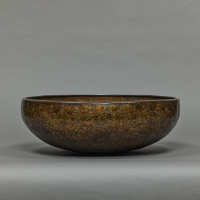
Large Jar, Natural glaze, Tokoname ware, Heian period, 12th century (Important Cultural Property, Private collection)
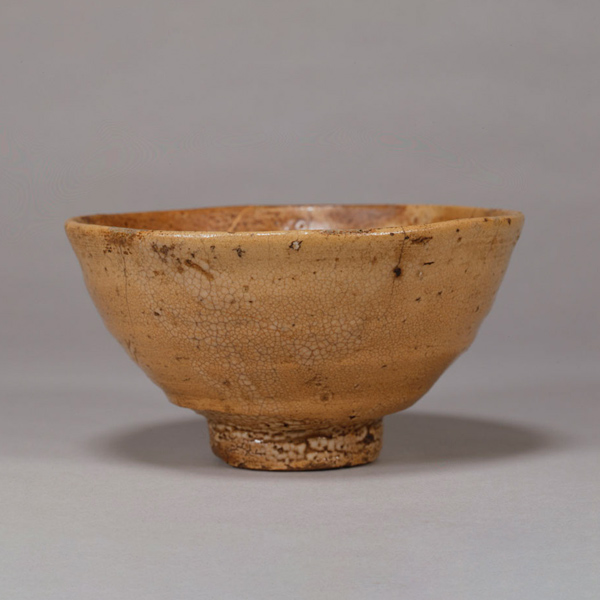
Tea Bowl, Karatsu ware, Hori (carved) type, Edo period, 17th century (Private collection)
Black Raku Tea Bowl, Known as "Amadera", Studio of Chojiro; Raku ware, Kuroraku type, Azuchi-Momoyama period, 16th century (Gift of Mr. Matsunaga Yasuzaemon)
Set of Fan-shaped Mukozuke Vessels, Mino ware, Oribe type, Edo period, 17th century
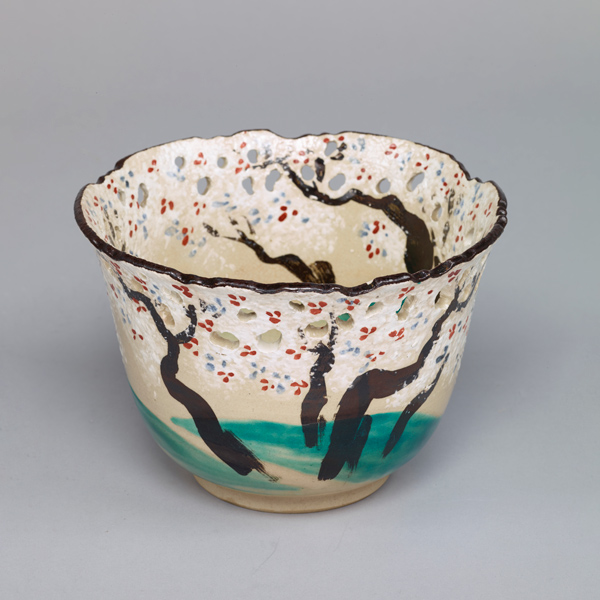
Bowl, Cherry tree design in overglaze enamel and openwork, By Ninnami Dohachi, Edo period, 19th century
Bowl, Red roundel and cloud-and-dragon design in overglaze enamel, Imari ware, Edo period, 17th - 18th century (Private collection)
Dish, Flower design in overglaze enamel, Nabeshima ware, Edo period, 17th - 18th century
Large Dish, Paired phoenix, pine, bamboo, plum and peony design in overglaze enamel, Imari ware, Kakiemon type, Edo period, 17th century
Bowl with Tall Foot, Chinese boy design in underglaze blue, Kameyama ware, Edo period, 19th century (Gift of Dr. Yokogawa Tamisuke)


Room 14  March 19, 2013 (Tue) - June 2, 2013 (Sun)

As the seasons change in Japan, people sometimes pray to deities or ancestors. Or, perhaps they perform the tea ceremony for an important guest. At such times, flowers are an essential part of the occasion.
Current exhibit includes:
Flower Vase with Elephant Handles, Known as "Akizuki" (autumn moon), Ming dynasty, 16th century (Gift of Mr. Matsunaga Yasuzaemon)
Flower Vase, Shakuhachi Type, Known as "Ikkyoku", Attributed to Sen no Rikyu, Azuchi-Momoyama period, 16th century (Gift of Mr. Hirota Matsushige)
Flower Vase in Shape of Jade Cong, Celadon glaze, Southern Song Guan ware Formerly preserved by the Owari Tokugawa family, Southern Song dynasty, 12th - 13th century (Important Cultural Property, Gift of Mr. Hirota Matsushige)
Takasago Flower Vase, Design in underglaze blue, Jingdezhen ware, Kosometsuke type, Ming dynasty, 17th century


Life of the Ainu People
Room 15  March 19, 2013 (Tue) - June 9, 2013 (Sun)

This exhibition introduces the traditional Ainu way of life through an array of hunting, fishing and weaving tools, fabrics and garments, as well as wooden utensils and models of Ainu boats.
Current exhibit includes:
Coat, Hokkaido Ainu, 19th century (on exhibit through April 21, 2013)
Coat, Hokkaido Ainu, 19th century (on exhibit from April 23, 2013)
Quiver, Hokkaido Ainu, 19th century
Deer Call, Hokkaido Ainu, 19th century
Harpoon, Hokkaido Ainu, 19th century
Bobbin, Hokkaido Ainu, 19th centuryGift of the Hokkaido Administration Office
Fishing Tackle, Hokkaido Ainu, 19th centuryGift of Mr. Tokugawa Yorisada


Old Maps and Geographical Descriptions: Focusing on the Kanto Region
Room 16  May 8, 2013 (Wed) - June 30, 2013 (Sun)

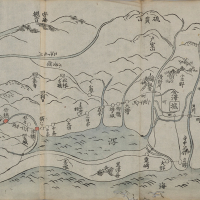
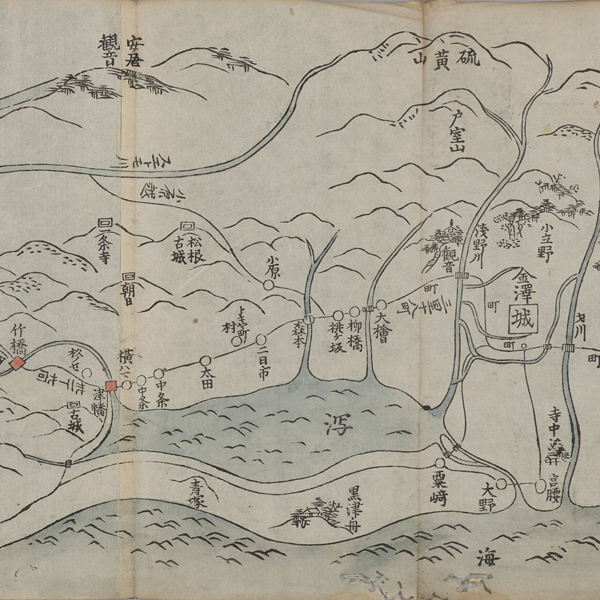
With a focus on the Kanto region, this exhibition introduces a broad range of rarely-seen old maps and geographical descriptions.
Current exhibit includes:
Map of Edo in the Genroku Era, Compiled by Ishikawa Tomonobu, Publication: Edo period, dated 1689 (Gift of Mr. Tokugawa Muneyoshi)
Flower Calendar for Sightseeing in Edo, Compiled by Oka Sancho; illustrated by Hasegawa Settan, Publication: Edo period, dated 1837

  
Preserving Our Cultural Properties
Room 17  March 19, 2013 (Tue) - December 23, 2013 (Mon)

>> detailed information
The preservation and conservation of cultural properties are essential aspects of our Museum's mission. From this point of view, this room features object research and examination, environmental maintenance of storage and exhibition rooms, and conservation procedures applied in accordance to materials and conditions of the objects.

  
Modern Art: Painting and Sculpture
Room 18  May 8, 2013 (Wed) - June 9, 2013 (Sun)

This gallery features paintings and sculptures from the Meiji to Taisho period. Since it first opened in 1872 as the exposition venue of the Ministry of Education, Tokyo National Museum has collected important artworks that signify the development of modern Japanese art. The exhibit consists of selected works from the collection.
Current exhibit includes:
Aged Monkey, By Takamura Koun, 1893 (Important Cultural Property, Gift of Japan Delegate Office for World's Columbian Exposition)
The Dream, By Yasuda Yukihiko, 1918
Woman with Mandolin, By Kuroda Seiki, 1891


Modern Decorative Arts: The National Industrial Exhibitions
Room 19  March 19, 2013 (Tue) - June 23, 2013 (Sun)

The National Industrial Exhibition was held in Japan five times in the period from 1877 (Meiji 10) to 1903 (Meiji 36). With an emphasis on the development of industry and artistic techniques, the organizers appealed for the submission of items that would contribute to enterprise, as well as objects made using advanced skills. Owing to this, many decorative art objects were submitted which displayed exquisite production techniques. To show visitors the excellent craftsmanship of these items, this exhibition displays decorative art objects in the Tokyo National Museum collection at the time the national industrial exhibitions were held.
Current exhibit includes:
Footed Bowl, With applied crabs and brown glaze, By Miyagawa Kozan I, 1881 (Important Cultural Property)
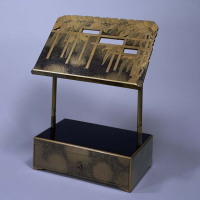
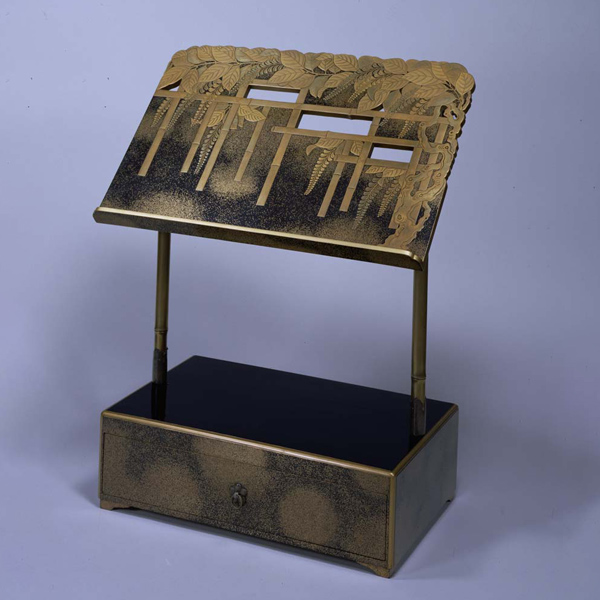
Set of writing box and writing-paper box, Tanzaku-paper with genjiko pattern in maki-e lacquer, By Kawanobe Itcho, 1903 (Gift of Mr. Mino Takashi)
Vase, Lotus and heron design, By Koichi, ca. 1877