


茶の美術
-
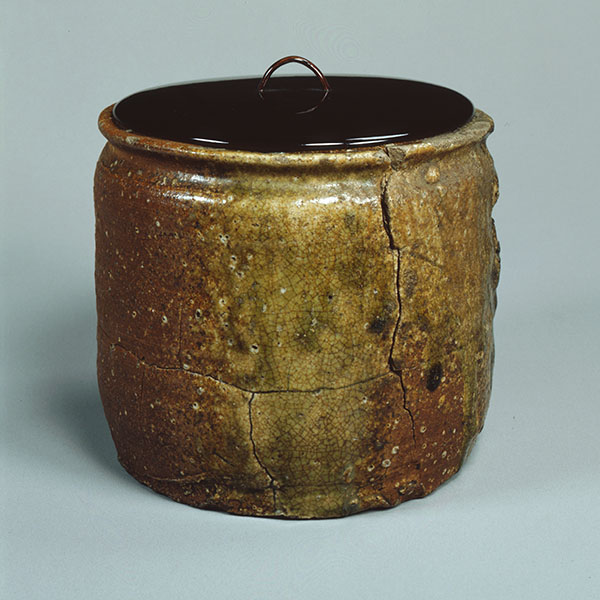
重要文化財 一重口水指 銘 柴庵
信楽 安土桃山~江戸時代・16~17世紀 広田松繁氏寄贈本館 14室
2026年7月14日(火) ~ 2026年10月4日(日)日本の伝統文化を代表する茶の湯のなかで生まれた美術を紹介します。この展示では、夏から秋にかけた風炉の季節にあわせた道具を中心に、前タームに引き続きケース2では古美術商・広田松繁(不孤斎)寄贈の茶碗、ケース4では向付を小特集します。
| 指定 | 名称 | 員数 | 作者・出土・伝来 | 時代・年代世紀 | 所蔵者・寄贈者・列品番号 | 備考 | |
| 和漢朗詠集巻上断簡(山城切) | 1幅 | 伝藤原定頼筆 | 平安時代・12世紀 | B-3171 | ~2026年8月23日 | ||
| おすすめ | 古今和歌集巻五・真名序断簡(御家切) | 1幅 | 藤原俊成筆 | 平安時代・12世紀 | B-12-9 | 2026年8月25日~ | |
| 筋釜 | 1口 | 天明 | 室町時代・16世紀 | E-13345 | |||
| 耳付花入 | 1口 | 伊賀 | 江戸時代・17世紀 | G-5732 | |||
| おすすめ | 重文 | 一重口水指 銘 柴庵 | 1口 | 信楽 | 安土桃山~江戸時代・16~17世紀 | 広田松繁氏寄贈 G-5307 | |
| 褐釉茶入 銘 木間 | 1口 | 瀬戸 | 江戸時代・17世紀 | 広田松繁氏寄贈 G-5366 | |||
| おすすめ | 彫三島茶碗 銘 木村 | 1口 | 朝鮮半島 | 朝鮮時代・16~17世紀 | 広田松繁氏寄贈 TG-2705 | ||
| 大井戸茶碗 佐野井戸 | 1口 | 韓国慶尚南道 | 朝鮮時代・16世紀 | 広田松繁氏寄贈 TG-2707 | |||
| 熊川茶碗 銘 田子月 | 1口 | 朝鮮半島 | 朝鮮時代・16~17世紀 | 広田松繁氏寄贈 TG-2712 | |||
| 柿の蔕茶碗 銘 唐衣 | 1口 | 朝鮮半島 | 朝鮮時代・16~17世紀 | 広田松繁氏寄贈 TG-2715 | |||
| 鉄斑文茶碗 | 1口 | 唐津 | 江戸時代・17世紀 | 広田松繁氏寄贈 G-5328 | |||
| 黄瀬戸筒向付 | 1口 | 美濃 | 安土桃山~江戸時代・16~17世紀 | 広田松繁氏寄贈 G-5312 | |||
| 信楽不二文茶碗 | 1口 | 本阿弥光甫作、「空中」彫銘 | 江戸時代・17世紀 | 広田松繁氏寄贈 G-5362 | |||
| 古染付牛図向付 | 6口 | 中国・景徳鎮窯 | 明時代・17世紀 | 個人蔵 | |||
| 反鉢 | 1口 | 備前 | 江戸時代・17世紀 | G-5775 | |||
| 色絵祥瑞花鳥文皿 | 1枚 | 中国・景徳鎮窯 | 明時代・17世紀 | 磯村覚司氏寄贈 TG-3058 | |||
| 染付花卉図角徳利 | 1口 | 伊万里 | 江戸時代・17世紀 | 横河民輔氏寄贈 G-4668 | |||
| 灰釉酒呑 | 1口 | 唐津 | 江戸時代・17世紀 | 広田松繁氏寄贈 G-5332 | |||
| 染付秋草文猪口 | 1口 | 肥前 | 江戸時代・18世紀 | 塚越正明氏寄贈 G-5873 | |||
| 祥瑞沓形碗 | 1個 | 中国・景徳鎮窯、「五良太甫呉祥瑞造」銘 | 明時代・17世紀 | TG-289 | |||
| 古染付貝形皿 | 1枚 | 中国・景徳鎮窯 | 明時代・17世紀 | 横河民輔氏寄贈 TG-2064-2 | |||
| 古染付兎形皿 | 1枚 | 中国・景徳鎮窯 | 明時代・17世紀 | 横河民輔氏寄贈 TG-2064-3 | |||
| 古染付魚形皿 | 1枚 | 中国・景徳鎮窯 | 明時代・17世紀 | 横河民輔氏寄贈 TG-2064-5 | |||
| 鼠志野笹文向付 | 1口 | 美濃 | 安土桃山~江戸時代・16~17世紀 | 個人蔵 | |||
| 志野草花文三角向付 | 1口 | 美濃 | 安土桃山~江戸時代・16~17世紀 | 個人蔵 | |||
| 織部分銅形向付 | 1口 | 美濃 | 江戸時代・17世紀 | 内藤堯宝氏寄贈 G-5139 |