Chinese Buddhist Sculpture
1st floor Room 1
April 21, 2026 (Tue) -
April 18, 2027 (Sun)

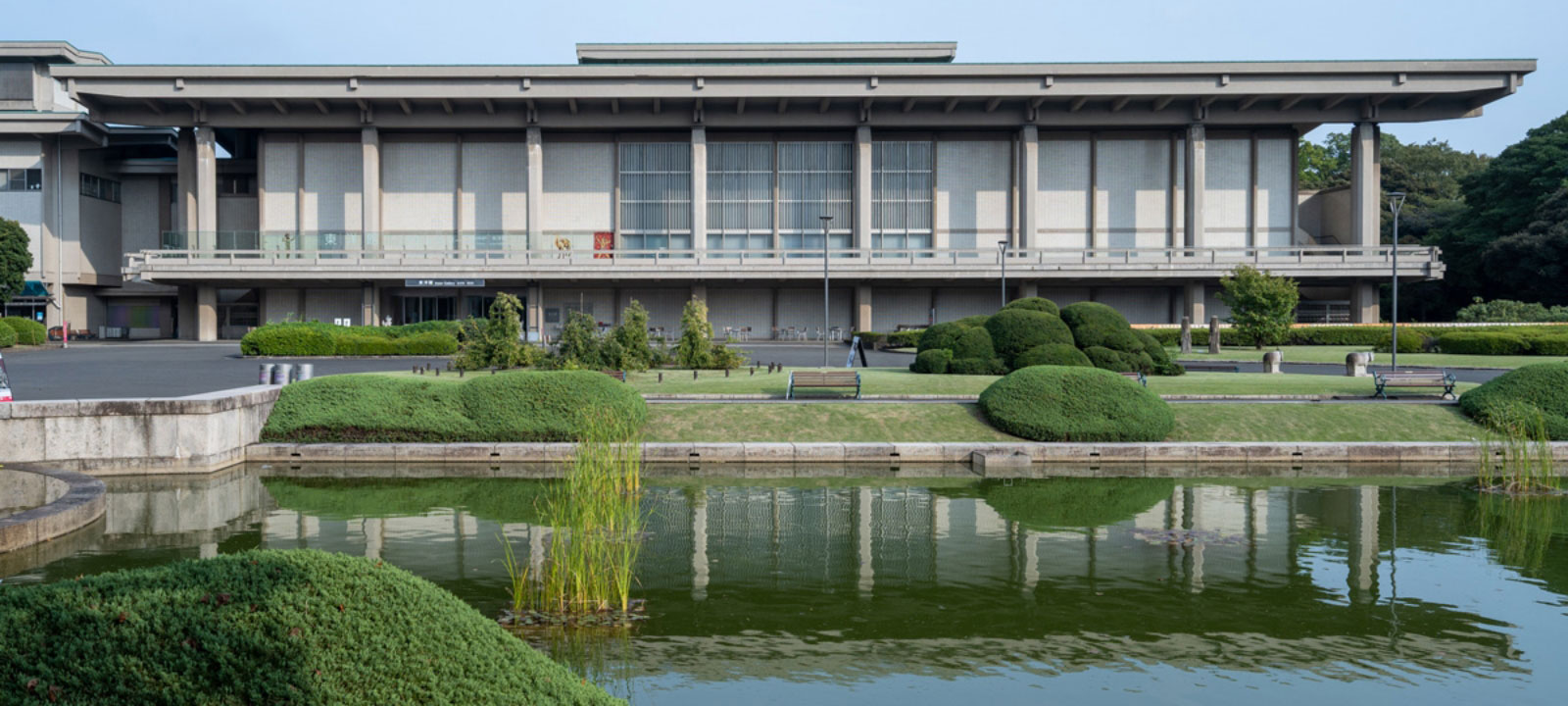
The galleries feature art and artifacts from regions including China, Korea, Southeast Asia, Central Asia, India, and Egypt.
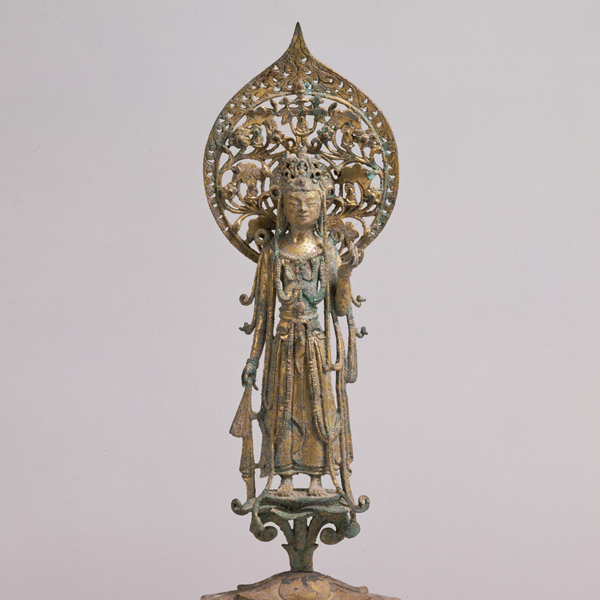
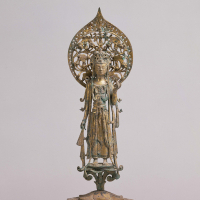
The Bodhisattva Mahasthamaprapta (detail)
China, Sui dynasty, 6th century (Important Cultural Property)
1st floor Room 1
April 21, 2026 (Tue) - April 18, 2027 (Sun)
Buddhism began to spread in China around the turn of the first millennium, about 500 years after its founding in India. In the 5th and 6th centuries, the number of Chinese Buddhists rapidly increased and numerous temples were established. This gallery presents Buddhist statues created from the 5th to 9th century, a golden age in the history of Chinese sculpture.
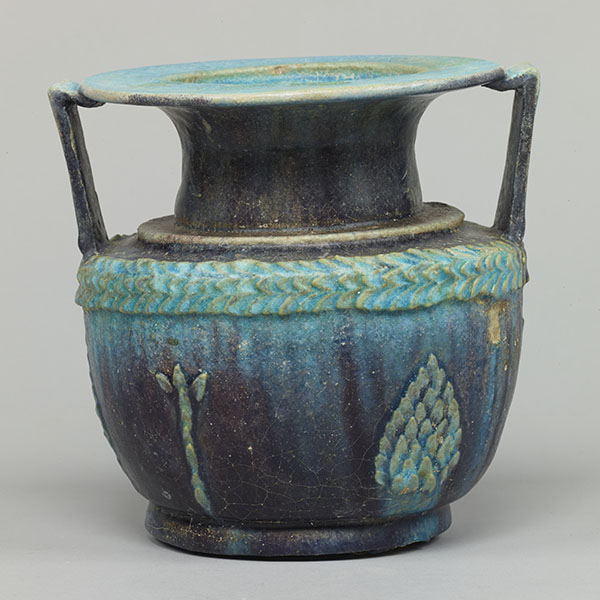
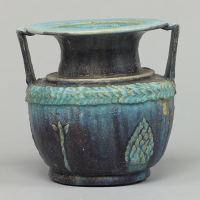
Jar with Two Handles
Egypt, Roman period, 2nd century (Gift of Mr. Momose Osamu and Mrs. Momose Fumiko)
2nd floor Room 3
July 14, 2026 (Tue) - October 4, 2026 (Sun)
This section of the gallery features ancient art and artifacts from regions that gave rise to some of humanity’s earliest civilizations, including West Asia, Egypt, and the eastern Mediterranean. The Egyptian collection includes stoneware and earthenware objects from Pre-dynastic Egypt (circa 6000–3150 BC) as well as reliefs, mummies, and decorative art from Dynastic Egypt. Other objects frequently on view include Bronze Age burial goods from West Asia and the eastern Mediterranean, tablets bearing cuneiform script from Mesopotamia, and sculptures and pottery from ancient Iran.
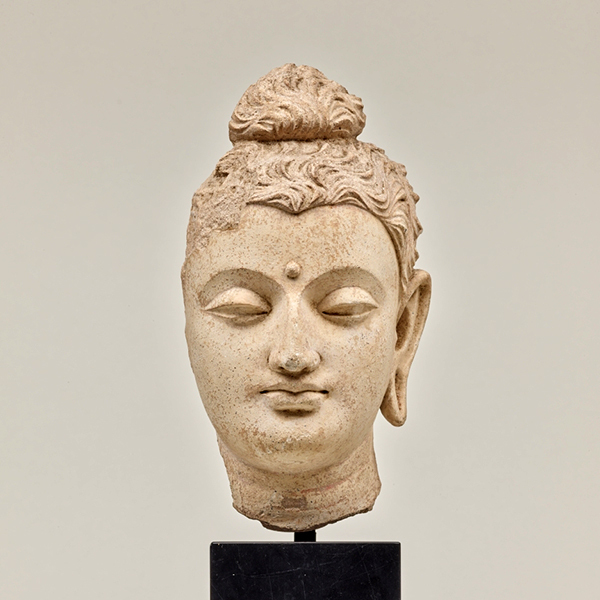
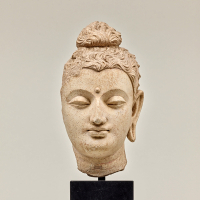
Head of a Buddha
Hadda, Afghanistan, 3rd–5th century
2nd floor Room 3
June 30, 2026 (Tue) - November 29, 2026 (Sun)
This gallery introduces Buddhist and Hindu sculptures from India and Gandhara. Buddhist art flourished in northern India during the Kushan dynasty (1st–3rd century). The production of Buddhist statues began in Gandhara (northwestern Pakistan) and Mathura (northern and central India) around the 1st century, with a particular emphasis on sculptures depicting the life of Gautama Buddha in Gandhara.
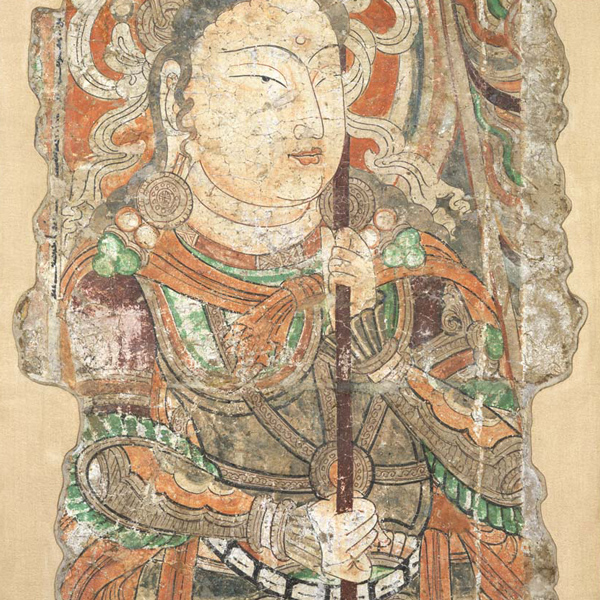
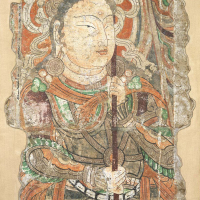
Bodhisattva with a Parasol (detail)
Bezeklik Caves, China, Ōtani collection, Gaochang Uyghur period, 10th–11th century
2nd floor Room 3
May 12, 2026 (Tue) - July 20, 2026 (Mon)
This room mainly features artifacts discovered at Silk Road sites by the Japanese Ōtani expeditions at the start of the 20th century. Works are exhibited on rotation and illustrate the wide range of art and religious objects found in the diverse cultures along the Silk Road.
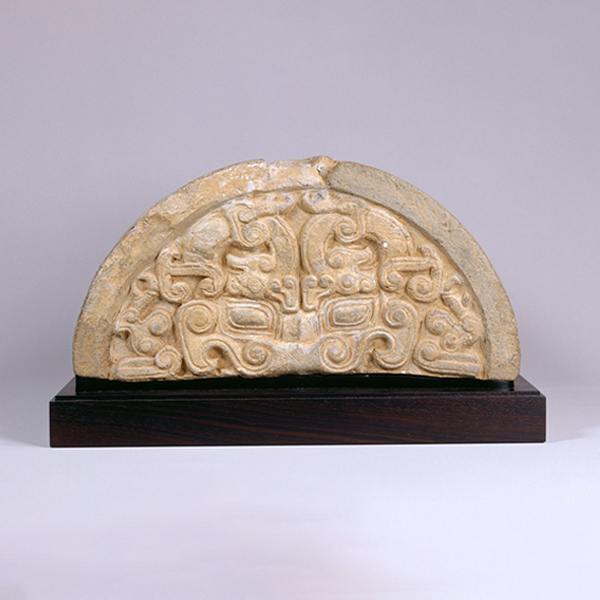
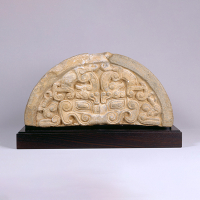
Roof Tile with an Animal Mask (Taotie)
China, Warring States period (Yan state), 5th–4th century BC
3rd floor Room 4
March 24, 2026 (Tue) - August 16, 2026 (Sun)
This section of the gallery traces the development of Chinese civilization through ancient pottery, jade objects, texts, and bronzes. The collection includes Neolithic pottery from the Loess Plateau, a range of stone tools from Northern China, jade objects and oracle-bone inscriptions from the Shang dynasty (ca. 1600–ca. 1100 BC), and roof tiles from each era.
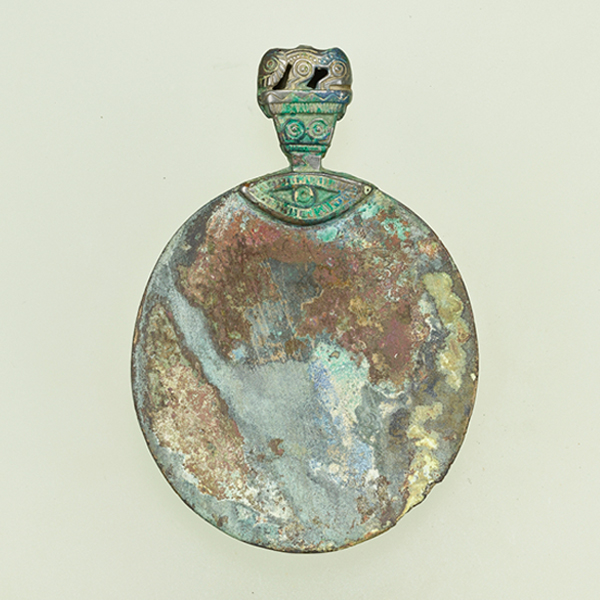
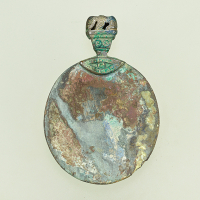
Mirror-Shaped Ornament
Southwestern China, Warring States period–Western Han dynasty, 4th–2nd century BC
3rd floor Room 5
March 10, 2026 (Tue) - July 26, 2026 (Sun)
This section of the gallery focuses on bronzes, mainly from the Shang dynasty (ca. 1600–ca. 1100 BC) to the Han dynasty (206 BC–220 AD), including ritual vessels, musical instruments, weapons, and horse tack. It also features mirrors and other bronzes from Northern China, tracing the development of early Chinese aesthetics.
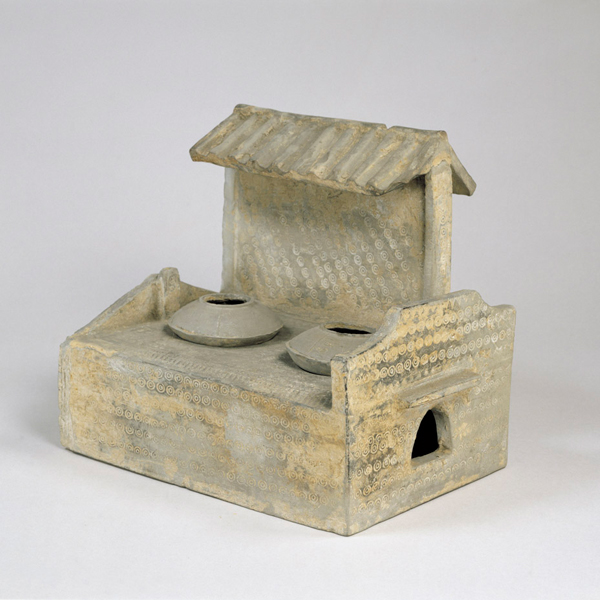
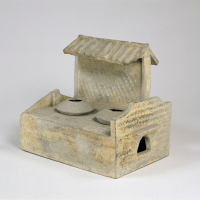
Model of a Cooking Stove
Found in Luoyang, Henan Province, China, Eastern Han dynasty, 1st–3rd century
3rd floor Room 5
March 24, 2026 (Tue) - August 16, 2026 (Sun)
This gallery introduces burial items of tombs from about the 2nd century BC to the 8th century AD. Mingqi are models of various implements and equipment, such as cooking stoves, vehicles including carriages and oxcarts, and even toilets. Tomb figures are models of humans who served a master, such as servants and entertainers. The objects on display present the idealized lifestyle that people of this time entrusted to mingqi and tomb figures.
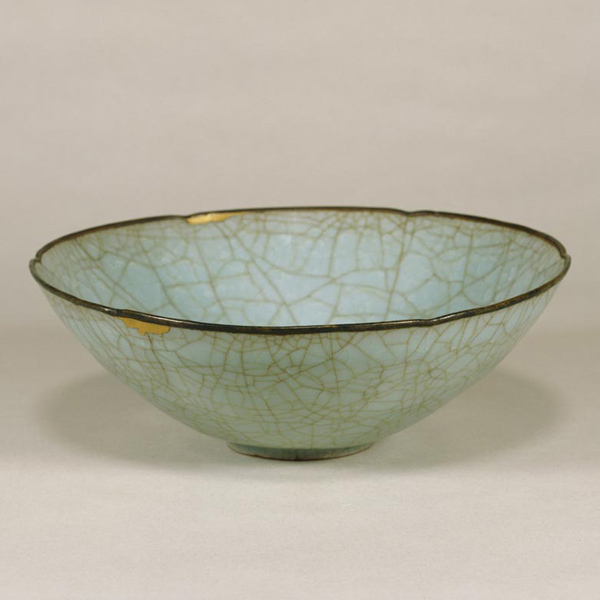
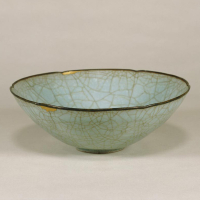
Lobed Bowl
Guan ware, China, Southern Song dynasty, 12th–13th century (Important Cultural Property, Gift of Dr. Yokogawa Tamisuke)
3rd floor Room 5
April 8, 2026 (Wed) - August 16, 2026 (Sun)
This section of the gallery explores the history of Chinese ceramics, spanning the 7th to 19th century. The objects on view are rotated on a regular basis, but typically feature examples of fine porcelain made for the imperial household at the Jingdezhen imperial kilns alongside objects produced for commercial purposes in private kilns and elsewhere.
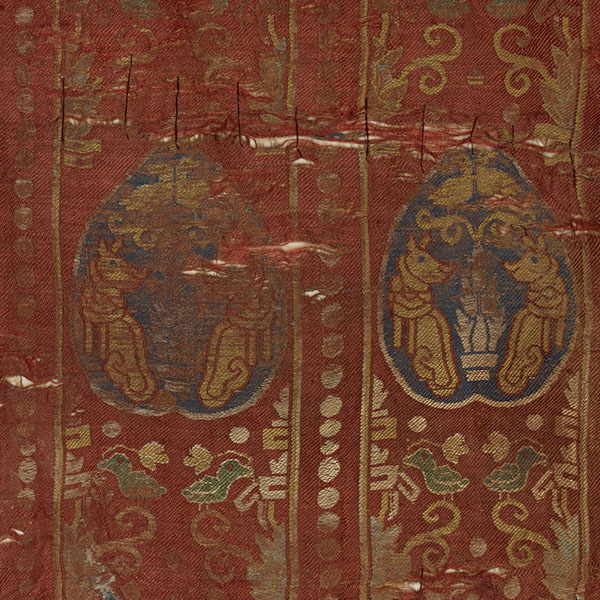
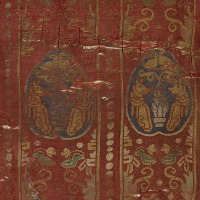
Brocade, Design of paired birds and beasts on a red ground(detail)
Excavated from tomb in Inner Mongolia, China, Liao dynasty, 10th–11th century
3rd floor Room 5
July 14, 2026 (Tue) - September 6, 2026 (Sun)
The Khitan state, founded in 916 by Yelü Abaoji (872–926), expanded its territory and came to be known as the “Liao.” As Han Chinese populations moved into the region, silk textile production flourished under Liao rule. Archaeological excavations of Liao-period tombs conducted from the 1970s to the 1990s have shed light on the garments, dyeing and weaving techniques, and preferred patterns of the Liao people. This exhibition introduces the characteristic techniques and motifs of these works, while also highlighting their connections with Japanese textiles
3rd floor Room 6
April 2, 2024 (Tue) - March 31, 2027 (Wed)
Activity area: Fortune-telling in Asia. Recommended for visitors with children.
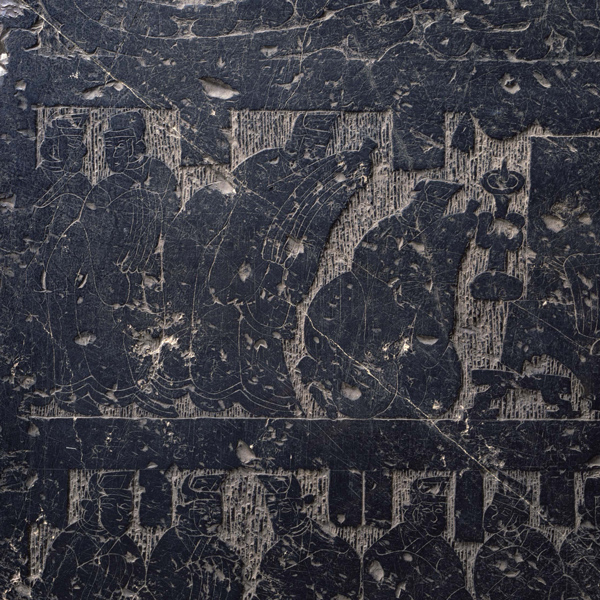
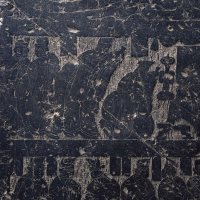
Stone Bas-relief, Procession of chariots / Building for ancestral rituals (detail)
From Xiaotangshan, Shandong province, China, Eastern Han dynasty, 1st-2nd century
4th floor Room 7
April 21, 2026 (Tue) - April 18, 2027 (Sun)
This section of the gallery features stone relief carvings from China. They were excavated from tombs found in eastern China and date to the Eastern Han dynasty (24–220 AD). The tombs consisted of a subterranean chamber to house the sarcophagus with a shrine above ground for bereaved families to perform rituals. The stone walls, pillars, and supports of these tombs were decorated with bas-relief scenes of everyday life, historical events, and contemporary belief systems.
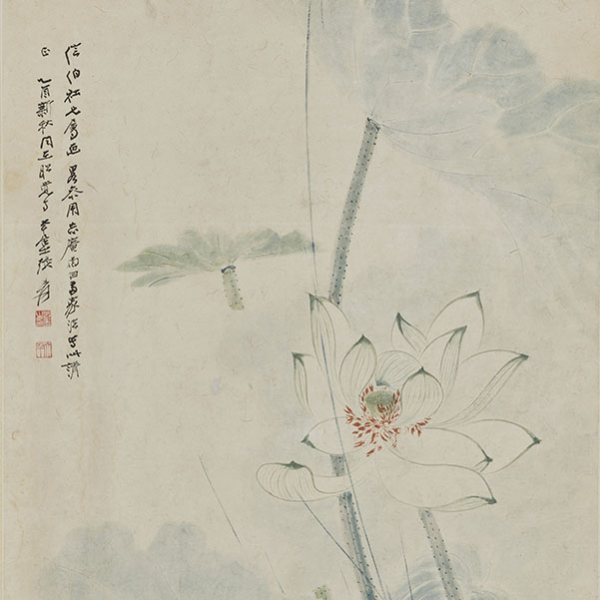
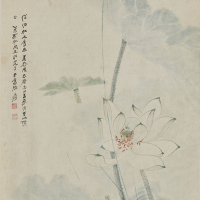
Green Lotus(detail)
By Zhang Daqian (1899–1983), China, Republic period, 1945 (Gift of Dr. Hayashi Munetake)
4th floor Room 8
June 16, 2026 (Tue) - July 26, 2026 (Sun)
The lotus has been cherished in Chinese culture since ancient times. Regarded as a symbol of good fortune, it has been associated with romantic love and the desire for many children to carry on the family line. Moreover, the lotus has represented the ideal virtuous man, as it grows from muddy water but produces pure, unstained flowers. This exhibition explores how China’s literati — scholars and men of letters — viewed the lotus. Focusing on the Qing dynasty (1644–1911), it explores how literati painters depicted lotus flowers, leaves, seeds, and stems throughout the seasons, and further examines how these images spread among the broader public following China’s modernization.
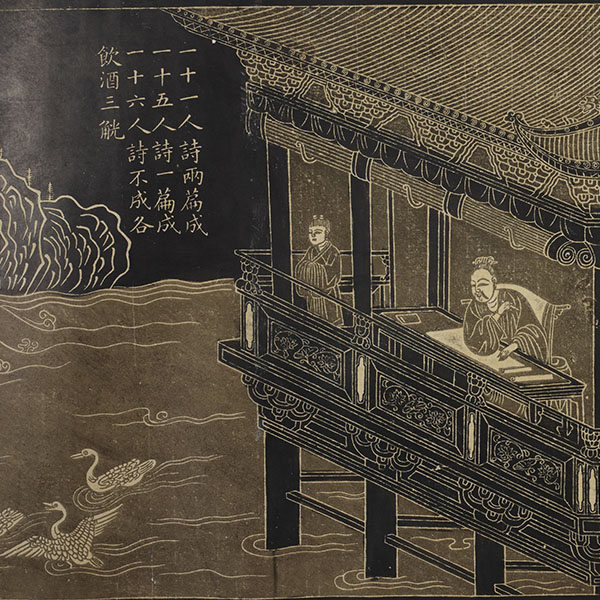
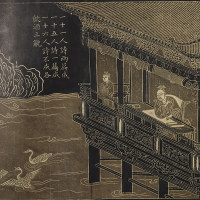
The Orchid Pavilion Gathering (Wanli Version) (detail)
Original calligraphy by Wang Xizhi (303–361) and others, China, Ming dynasty, 17th century (Gift of Mr. Takashima Kikujirō)
4th floor Room 8
June 30, 2026 (Tue) - August 23, 2026 (Sun)
Wang Xizhi (303–361; dates differ depending on source) is regarded as the most influential master calligrapher in the history of Chinese calligraphy. He was active in the Eastern Jin dynasty (317–420), a time when cursive script, running script, and standard script—calligraphic styles of writing—were still in development. Wang made significant contributions to the rapid development of these scripts’ artistry, earning him respect and admiration as a master calligrapher. The present exhibition showcases steles bearing Wang’s calligraphy, as well as works from the Ming (1368–1644) and Qing dynasties (1644–1911) that copied his calligraphy. Through these objects on display, this exhibition illustrates how later generations of Chinese calligraphers greatly aspired to his calligraphy.
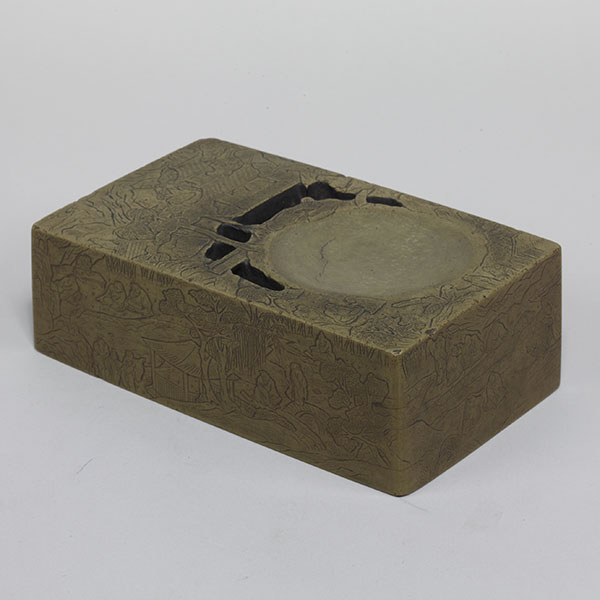
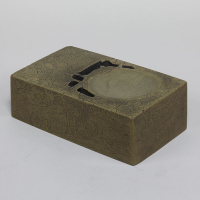
Inkstone with the Orchid Pavilion Gathering
China, Previously owned by Mr. Aoyama San'u, Ming dynasty, 14th–17th century (Gift of Mr. Aoyama Keiji)
4th floor Room 8
June 30, 2026 (Tue) - August 23, 2026 (Sun)
The literati were people who devoted themselves to reading, calligraphy, painting, and other highly valued art forms in China. Their way of life was viewed as an ideal. This exhibition room recreates the studies of the literati, where they created works of calligraphy and painting.
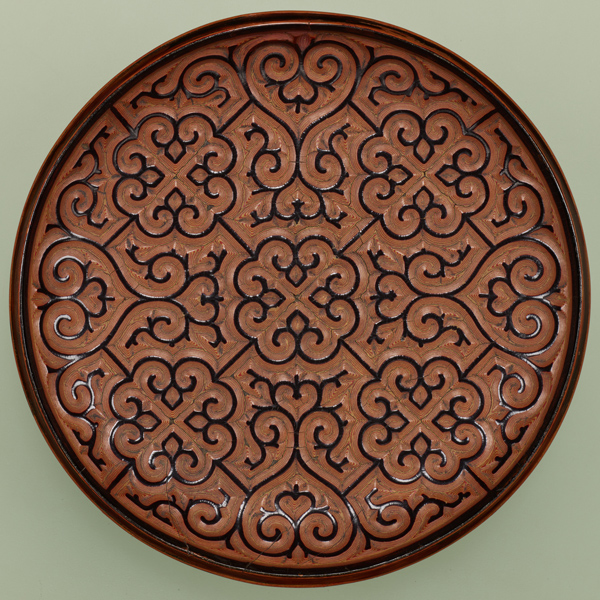
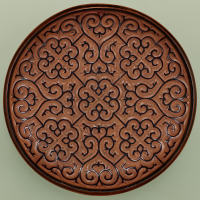
Tray with Pommel Scrolls
China, Southern Song dynasty, 12th–13th century (Gift of Mr. and Mrs. Arthur M. Sackler)
5th floor Room 9
June 23, 2026 (Tue) - September 13, 2026 (Sun)
Lacquer is the sap of the lacquer tree, which grows in East and Southeast Asia. Naturally sticky, it can be brushed onto different materials, and it hardens into a durable coating that is waterproof and resistant to acids, alkalis, and heat. The history of lacquerware in China dates back to the Neolithic period (ca. 10,000–2100 BC). Over the millennia, a number of decorative techniques evolved in China, including lacquer relief carving and lacquer with incised lines filled with gold leaf. Chinese lacquerware frequently feature abstract spiral patterns (called “pommel scrolls”) or pictorial scenes of landscapes, flowers, birds, pavilions, and people.
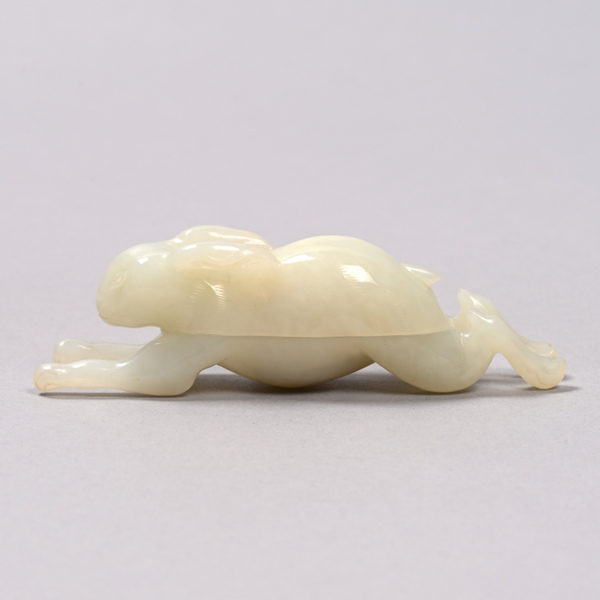
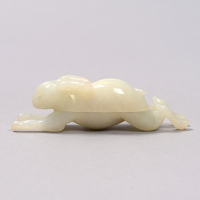
Rabbit-Shaped Box
China, Qing dynasty, 19th century (Gift of Mr. Kamiya Denbei)
5th floor Room 9
June 23, 2026 (Tue) - September 13, 2026 (Sun)
This section of the gallery introduces decorative art from China’s Qing dynasty (1644–1912), including works of jade, cloisonné, glass, and bamboo. These works illustrate the fine craftsmanship and sophisticated design aesthetic of decorative art from this period.
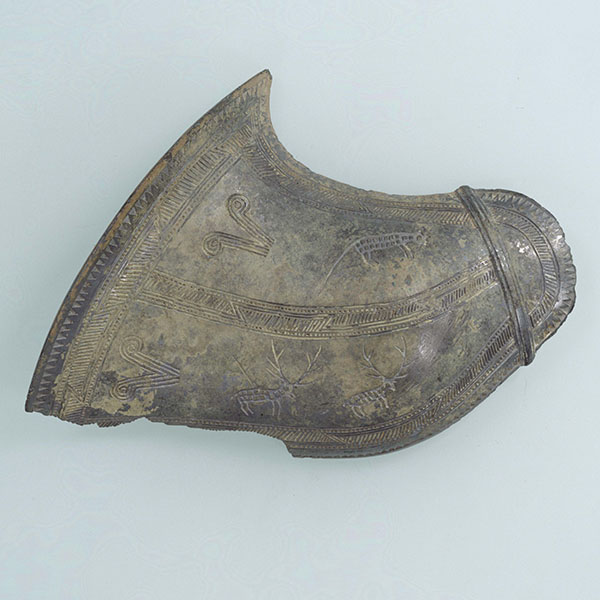
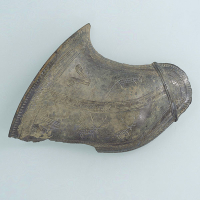
Plaque with Animals
Reportedly found in Gyeongju, Korea, Early Iron Age–Proto-Three Kingdoms period, 3rd–1st century BC (Important Art Object, Gift of the Ogura Foundation)
5th floor Room 10
July 7, 2026 (Tue) - November 29, 2026 (Sun)
This section of the gallery introduces archeological artifacts from Korea, including stone and bronze weapons and sophisticated cast ornamental fittings with animal motifs. It also features mirrors, hooked belt fittings, and other items associated with the Lelang Commandery, an administrative division established by China’s Han dynasty in the northern part of the Korean Peninsula.
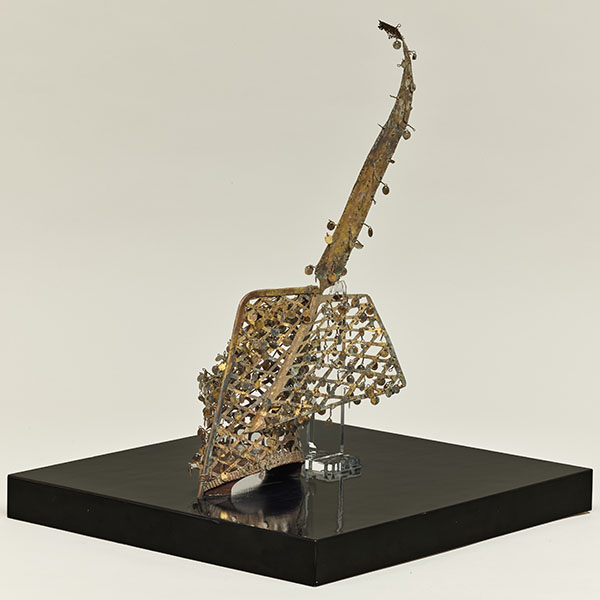
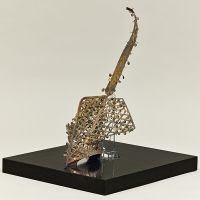
Headdress
Reportedly found in Changnyeong, Korea, Three Kingdoms period (Silla), 6th century (Important Cultural Property, Gift of the Ogura Foundation)
5th floor Room 10
June 30, 2026 (Tue) - November 29, 2026 (Sun)
This gallery presents artifacts from Korea’s Three Kingdoms period (57 BC–668 AD), an era when powerful rulers vied for control of the Korean Peninsula. The three kingdoms were comprised of Goguryeo in the north, Baekje in the southwest, and Silla in the southeast. A fourth state, known as the Gaya confederacy, also existed in the south before being annexed by Silla.
Each region made full use of the materials of the time—namely, gold, silver, bronze, iron, glass, and jade—to create distinct ornaments and other objects including, armor, horse tack, clay tiles, and pottery.
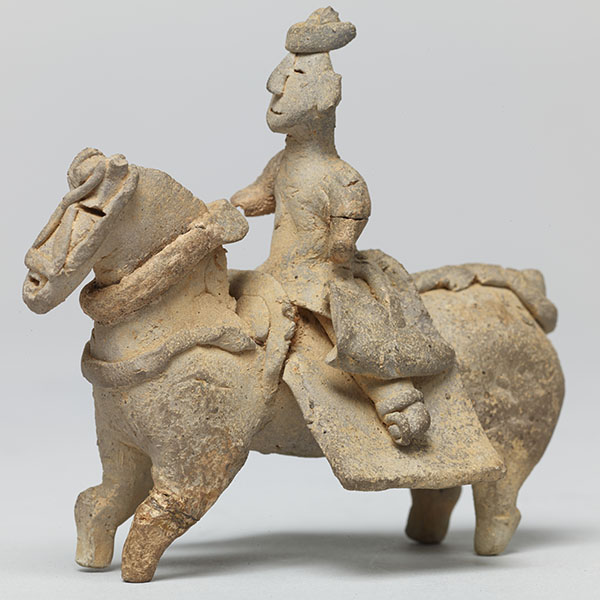
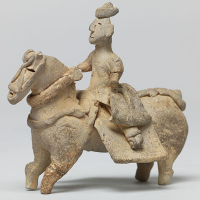
Figure on Horseback
Korea, Three Kingdoms period (Silla), 5th–6th century (Important Art Object, Gift of the Ogura Foundation)
5th floor Room 10
June 30, 2026 (Tue) - January 17, 2027 (Sun)
This gallery introduces Korean ceramics from the Proto-Three Kingdoms period (ca. 1st century BC–3rd century AD) to the Joseon dynasty (1392–1910). The development of Korean ceramics during the Proto–Three Kingdoms period was influenced by the Lelang Commandery, an outpost established by China’s Han dynasty in the northern part of the Korean Peninsula. Rulers of powerful states struggled for supremacy during this period, resulting in a rich variety of distinct ceramic aesthetics in each region. Under Chinese influence, a blue-green glaze called celadon began to be produced in Korea during the Goryeo dynasty (935–1392). Over time, celadon wares took on a distinct gray-green coloring that came to be known as Goryeo celadon. The production of pottery then diversified during the Joseon dynasty to include white porcelain and Buncheong ware, a type of stoneware often featuring designs in white slip and iron pigment.
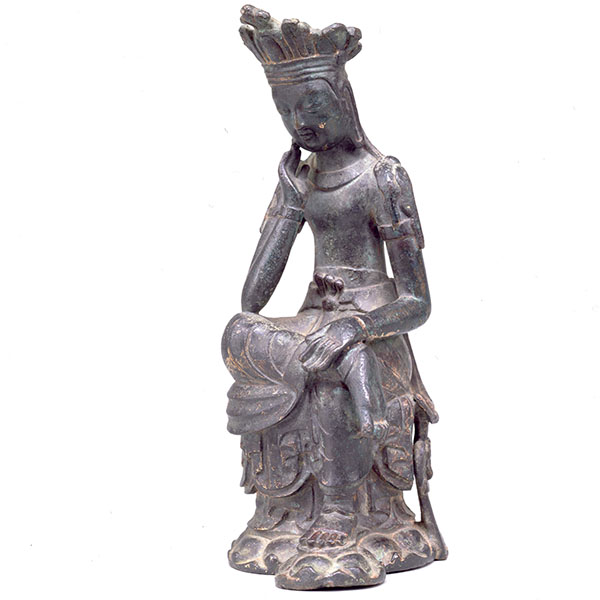
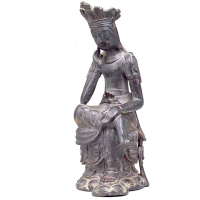
Bodhisattva with One Leg Pendent
Korean Peninsula, Three Kingdoms period, 7th century (Gift of the Ogura Foundation)
5th floor Room 10
July 7, 2026 (Tue) - January 31, 2027 (Sun)
Buddhism began to spread on the Korean Peninsula during the 4th and 5th centuries. This section introduces Buddhist art from the Three Kingdoms period (57 BC–668 AD), the Unified Silla dynasty (669–935), and the Goryeo dynasty (935–1392), including gilt-bronze statues, bricks, roof tiles, and ritual implements.
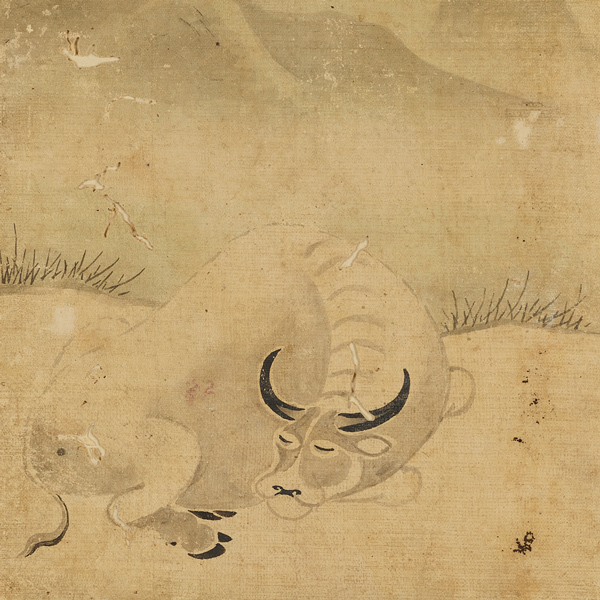
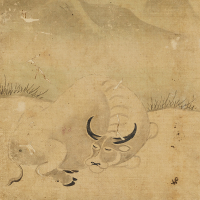
Ox and Water Birds (detail)
Artist unknown, Korean Peninsula, Joseon dynasty, 17th century
On exhibit from June 2, 2026 through July 12, 2026
5th floor Room 10
April 21, 2026 (Tue) - August 23, 2026 (Sun)
This gallery features Korean furniture, clothing, and room decor from the Joseon dynasty (1392–1910). While the costumes, furniture, tableware, and stationery each possessed individual beauty, their appeal was enhanced by their placement in living spaces.
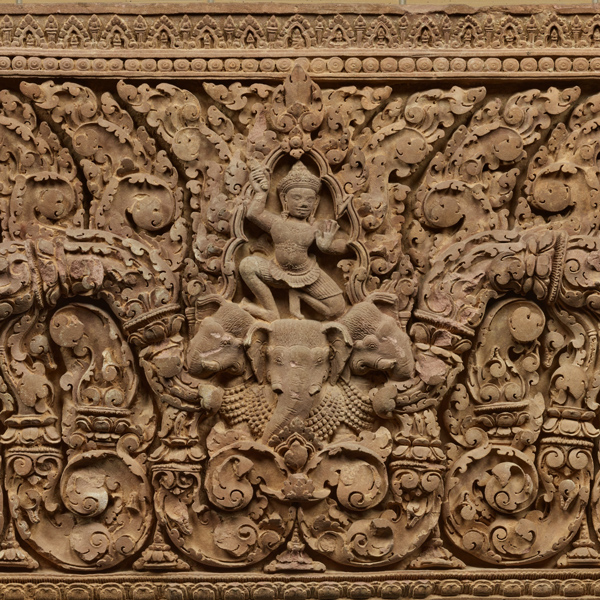
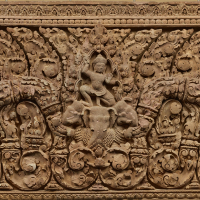
Lintel (detail)
From Prasat Sralao, Cambodia, Acquired through exchange with the French School of the Far East, Angkor period, 10th century
Basement Room 11
April 21, 2026 (Tue) - April 18, 2027 (Sun)
Cambodia’s Angkor period (ca. 9th century–15th century) saw the development of a unique Khmer culture, as epitomized by Angkor Wat, a huge temple complex built from the end of the 11th century to the 12th century during the golden age of the Khmer Empire. This section introduces Khmer sculpture, with a focus on Buddhist and Hindu statues and reliefs from Angkor’s temples. These were acquired in 1944 through an exchange project with the French research institute the French School of the Far East.
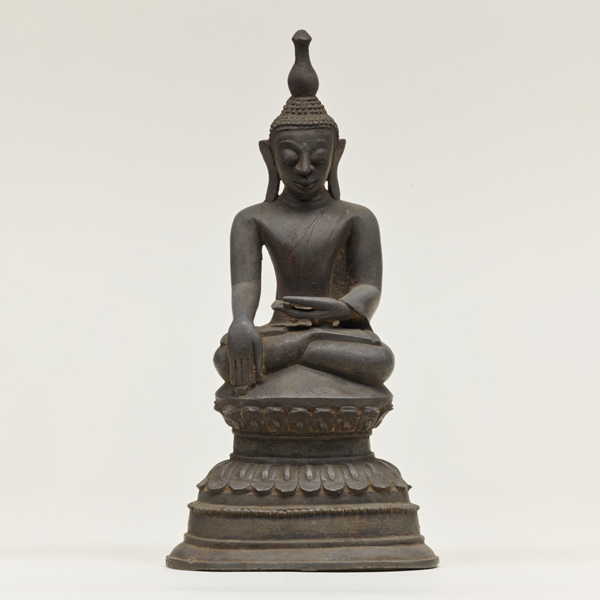
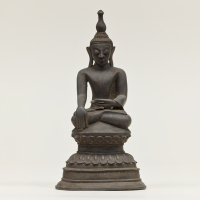
The Buddha
Myanmar, Konbaung dynasty, 18th century (Gift of Imaizumi Yūsaku)
Basement Room 12
April 8, 2026 (Wed) - October 18, 2026 (Sun)
This section presents religious sculptures from Southeast Asia, a major crossroads of trade between East and West. In the fourth century, the seafaring peoples of this region began to utilize the monsoon winds for maritime navigation. Trade routes known as the Maritime Silk Roads flourished, propelling the exchange of goods, religious beliefs, concepts of kingship, and artistic styles.
As the region became more interconnected, sacred images from India stimulated the production of religious imagery throughout Southeast Asia. People subsequently adapted these images within their respective belief systems and social contexts.
Southeast Asian religious sculpture takes Indian art as its prototype in many respects, but it was also shaped by the distinctive aesthetics of each region. The objects of veneration varied by period and place. However, the mutual influence of Buddhism and Hinduism, expressed visually in religious sculpture, is one of the defining characteristics of Southeast Asian art.
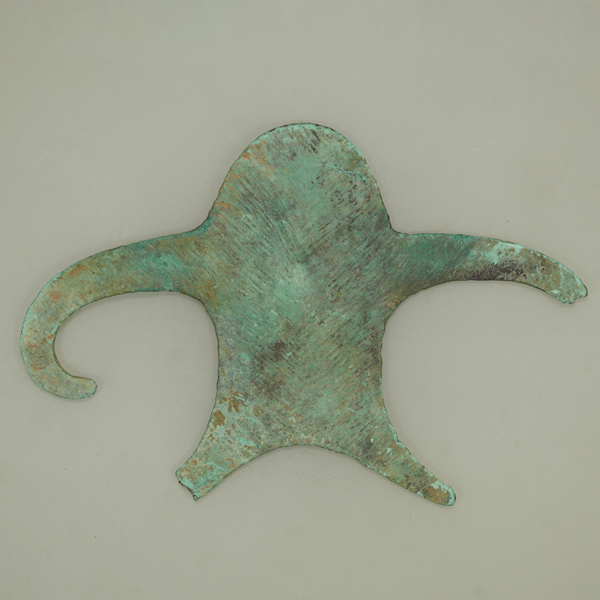
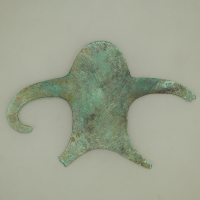
Human-shaped Object
Reportedly found in Uttar Pradesh, India, Copper Hoard culture, ca. 1500 BC
Basement Room 12
June 2, 2026 (Tue) - May 30, 2027 (Sun)
This gallery explores India’s prehistoric culture through a variety of archaeological artifacts, from wedge-shaped stones from the early Paleolithic period over 600,000 years ago, to copper objects from the Copper Hoard culture that flourished in the 2nd millennium BC after the fall of the Indus civilization. This section also introduces a diverse range of archaeological materials from Southeast Asia, with a focus on weapons, personal ornaments, and other artifacts from the bronzeware culture that prospered in northern Thailand’s Ban Chiang region, predominantly from the 3rd century BC to the 2nd century AD.
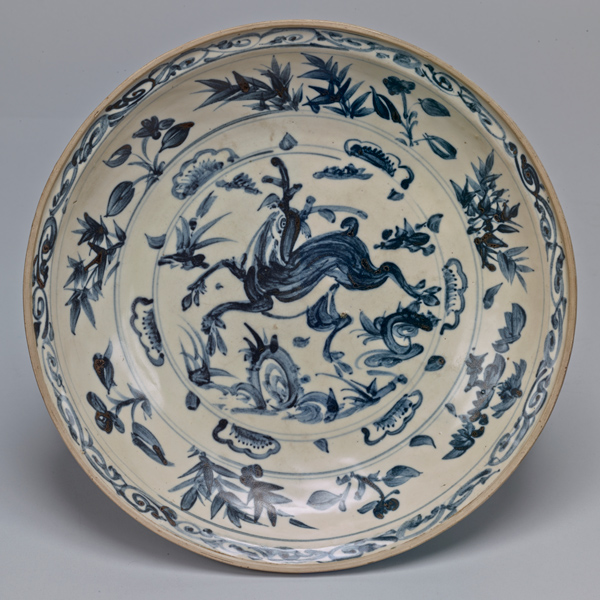
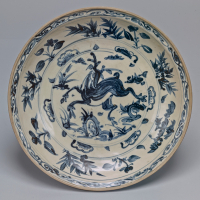
Large Dish with a Landscape and Deer
Vietnam, Previously owned by Okano Shigezō, 15th–16th century (Important Art Object)
Basement Room 12
June 9, 2026 (Tue) - October 12, 2026 (Mon)
This section introduces ceramics from Cambodia, Thailand, and Vietnam, with a focus on objects collected by the Japanese entrepreneur Okano Shigezō.
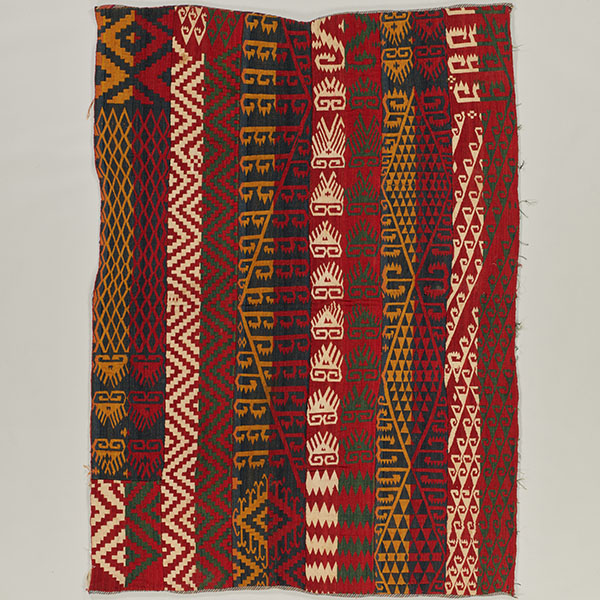
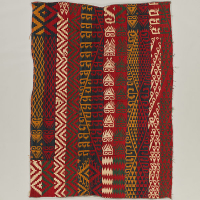
Rug with Bands of Geometric Patterns
The Uzbek people, 20th century
Basement Room 13
July 14, 2026 (Tue) - September 6, 2026 (Sun)
This exhibit presents textiles collected by Ms. Kiyoe Matsushima, a researcher of nomadic peoples who had a deep passion for the nomads of West Asia. She collected these items in West Asia between the 1960s and the 1980s.
Since ancient times, nomadic peoples have lived itinerant lives with their livestock, moving across the plateau regions that extend from northwestern India through Pakistan, Afghanistan, and Iran to Turkey. Without fixed places of residence, they lived in tribal groups. Nomads were largely self-sufficient in meeting the needs of daily life; their clothing, bags, tent coverings, and other textile items were made by spinning wool from their livestock or by turning wool fibers into felt. Each tribe also developed its own distinctive designs, enabling its members to identify one another from a distance. In today’s world, however, nomadic lifestyles have also modernized, and as a result, their traditional culture is gradually being lost.
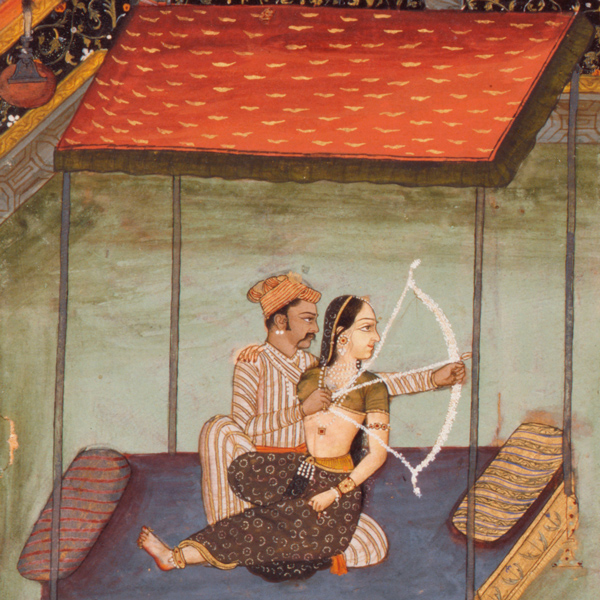
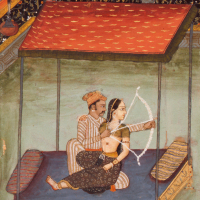
Nayaka Aiming a Bow and Arrow with a Nayika on His Lap(detail)
By the Bikaner school, India, Start of the 18th century
Basement Room 13
June 23, 2026 (Tue) - July 26, 2026 (Sun)
The art of “miniature painting” is one of India’s best-known genres. These paintings use elaborate brushwork and vibrant colors to depict a variety of themes, including: Indian myths, Hindu gods, portraits of kings, scenes from history, and love stories. Miniature paintings can also be enjoyed for their distinct regional styles that reflect India’s rich history of cultural diversity.
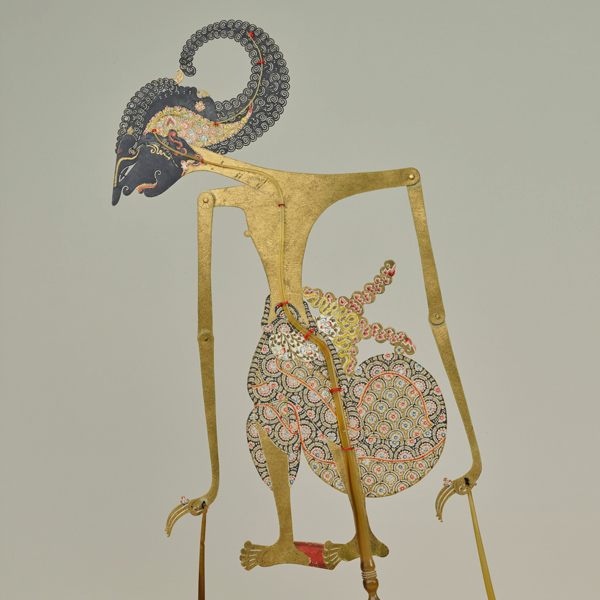
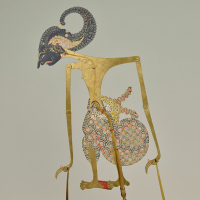
Wayang Kulit: Raden Arjuna
Central Java, Indonesia, 20th century (Gift of Mr. Matsumoto Ryo)
Basement Room 13
June 23, 2026 (Tue) - October 25, 2026 (Sun)
As one of Indonesia’s best-known forms of traditional puppet theater, wayang kulit is famous for its elaborate shadow puppets and lively performances. Since the introduction of Hinduism in the 10th century, the storylines for wayang kulit plays have been drawn from Hindu epics, such as the Mahabharata and the Ramayana.
The shadow puppets used in wayang kulit are cut from water buffalo hide, carved with fine chisels, and painted in vibrant colors. The sticks for manipulating the puppets are mostly made from water buffalo horn.
Wayang kulit plays typically last all night as the puppeteer, called a dhalang, maneuvers the puppets, delivers the lines, and even cues the accompanying musicians (gamelan).
Although based on famous epics, performances are not strictly scripted and the dhalang’s improvisations serve to make each show unique.