


仏教の美術―平安~室町
-
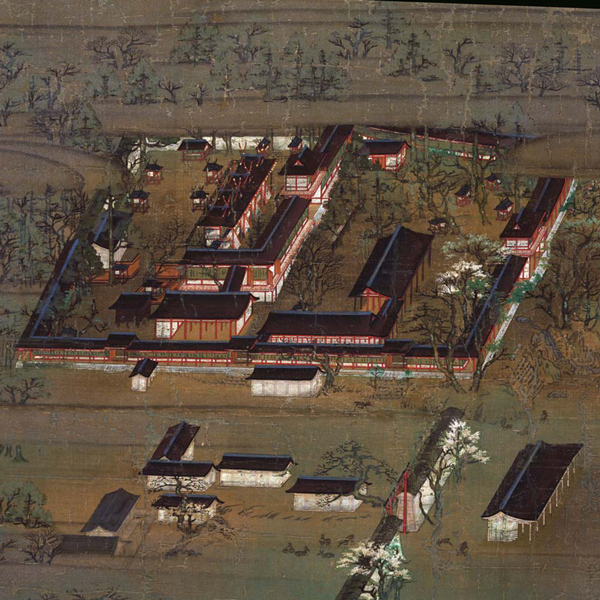
春日宮曼荼羅(部分)
鎌倉時代・13世紀本館 13室
2026年4月8日(水) ~ 2026年5月24日(日)仏教美術は日本美術を代表するジャンルの一つです。その内容は多岐にわたり、各時代ごとに特色ある作品が生み出されました。絵画は、春日大社、比叡山、高野山に関わる作品を展示します。彫刻は、16歳のときに父・用明天皇の病気平癒を祈った姿とされる聖徳太子立像(孝養太子)を展示します。書跡は、平安・鎌倉時代の名僧の書を展示します。工芸は、山岳信仰と深く関わって発展した鏡像、及び懸仏を展示します。
| 指定 | 名称 | 員数 | 作者・出土・伝来 | 時代・年代世紀 | 所蔵者・寄贈者・列品番号 | 備考 | |
| 聖徳太子立像 | 1軀 | 鎌倉時代・13~14世紀 | 愛知・本證寺蔵 | ||||
| おすすめ | 春日宮曼荼羅 | 1幅 | 鎌倉時代・13世紀 | A-11088 | |||
| 春日鹿曼荼羅 | 1幅 | 室町時代・15世紀 | A-25 | ||||
| 重文 | 日吉山王本地仏曼荼羅 | 1幅 | 鎌倉時代・14世紀 | 東京・霊雲寺蔵 | |||
| 日吉山王本地仏曼荼羅 | 1幅 | 鎌倉時代・14世紀 | A-1227 | ||||
| 高野四所明神像 | 1幅 | 室町時代・16世紀 | A-9560 | ||||
| おすすめ | 重文 | 拾遺古徳伝絵巻 巻第二 | 1巻 | 鎌倉時代・元亨3年(1323) | 茨城・常福寺蔵 | ||
| 銅鐘 | 1口 | 岡山県美作市中尾出土 | 南北朝時代・永和4年(1378) | E-14822 | |||
| 国宝 | 円珍自筆書状(円珍関係文書の内) | 1巻 | 円珍筆 | 平安時代・9世紀 | B-2405-2 | ||
| 重文 | 願文 | 1巻 | 慈円筆 | 鎌倉時代・貞応3年(1224) | B-1400 | ||
| おすすめ | 重文 | 舎利啓白文 | 1巻 | 大休正念筆 | 鎌倉時代・建治4年(1278) | B-2449 | |
| 書状 | 1幅 | 明恵筆 | 鎌倉時代・13世紀 | 個人蔵 | |||
| 線刻蔵王権現鏡像 | 1面 | 奈良県吉野郡天川村金峯山出土 | 平安時代・12世紀 | E-15278 | |||
| 重美 | 銅板鎚出蔵王権現像 | 1面 | 奈良県吉野郡天川村金峯山出土 | 平安時代・12世紀 | E-19981 | ||
| 重美 | 線刻蔵王権現鏡像 | 1面 | 奈良県吉野郡天川村金峯山出土 | 平安時代・12世紀 | E-19982 | ||
| おすすめ | 重文 | 銅板鋳出蔵王権現像 | 1面 | 奈良県吉野郡天川村 大峯山頂遺跡出土 | 平安時代・12世紀 | 奈良・大峯山寺蔵 | |
| 金銅蔵王権現像 | 1軀 | 伝奈良県吉野郡天川村金峯山出土 | 平安時代・12世紀 | E-15260 | |||
| 重文 | 金銅三所権現懸仏 | 1面 | 鎌倉時代・建長元年(1249) | 長野・岩殿寺蔵 |