


Huzhou Mirrors: Chinese Mirrors Excavated from Japanese Sutra Mounds
-
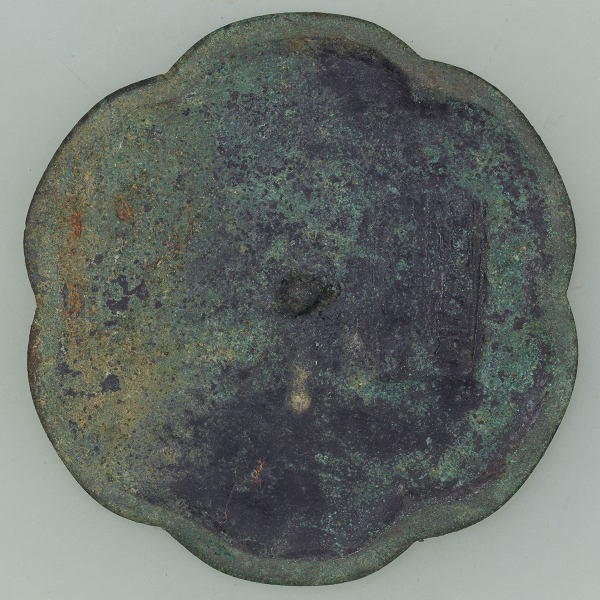
Huzhou Mirror
Found at the Harayamadera Sutra Mound, Fukuoka, Heian–Kamakura period, 12th–13th century; created in Southern-Song-dynasty ChinaJapanese Archaeology and Special Exhibition (Heiseikan) Japanese Archaeology Gallery
September 15, 2026 (Tue) - March 22, 2027 (Mon)Huzhou mirrors are a representative type of mirror excavated from sutra mounds in Japan. Produced in the Huzhou region of Zhejiang Province during China’s Song dynasty (960–1279), they are distinguished by reverse sides decorated solely with a seal-like inscription composed of several Chinese characters. We invite you to compare them with Japanese mirrors that retain the earlier Tang-dynasty style predating Huzhou mirrors, which is characterized by its dense, intricate designs, as well as with Japanese mirrors featuring simple decorative designs influenced by Huzhou mirrors.
| Designation | Name | Creation/ Excavation/ Provenance |
Period | Acquisition/ Ownership/ Accession Number |
CMT | ||
| Highlight | Huzhou Mirror | Found at the Harayamadera Sutra Mound, Fukuoka | Heian period, 12th century; created in Southern-Song-dynasty China | E-14527 | |||
| Highlight | Huzhou Mirror | Found at the Takai Jinja Sutra Mound, Okayama | Heian–Kamakura period, 12th–13th century; created in Southern-Song-dynasty China | E-14562 | |||
| Highlight | Huzhou Mirror | Found at the Yugo Sutra Mound, Kyoto | Heian–Kamakura period, 12th–13th century; created in Southern-Song-dynasty China | E-15049 |