


Chinese Calligraphy Aspiring to the Calligraphy of Wang Xizhi
-
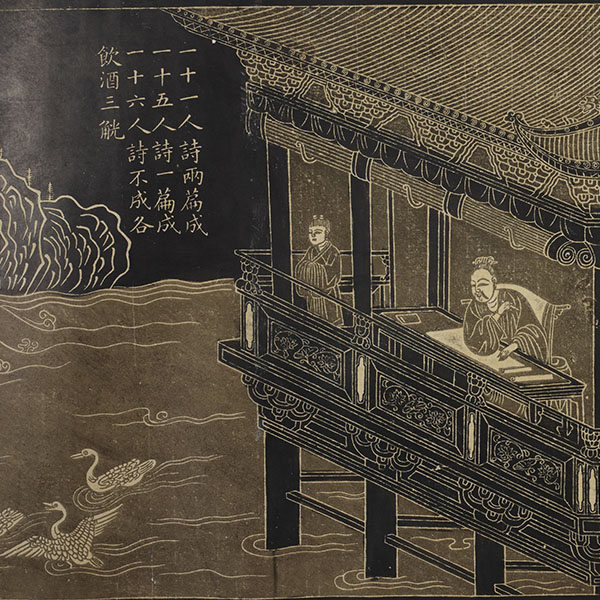
The Orchid Pavilion Gathering (Wanli Version) (detail)
Original calligraphy by Wang Xizhi (303–361) and others, China, Ming dynasty, 17th century (Gift of Mr. Takashima Kikujirō)Asian Gallery (Toyokan) Room 8
June 30, 2026 (Tue) - August 23, 2026 (Sun)Wang Xizhi (303–361; dates differ depending on source) is regarded as the most influential master calligrapher in the history of Chinese calligraphy. He was active in the Eastern Jin dynasty (317–420), a time when cursive script, running script, and standard script—calligraphic styles of writing—were still in development. Wang made significant contributions to the rapid development of these scripts’ artistry, earning him respect and admiration as a master calligrapher. The present exhibition showcases steles bearing Wang’s calligraphy, as well as works from the Ming (1368–1644) and Qing dynasties (1644–1911) that copied his calligraphy. Through these objects on display, this exhibition illustrates how later generations of Chinese calligraphers greatly aspired to his calligraphy.
| Designation | Name | Creation/ Excavation/ Provenance |
Period | Acquisition/ Ownership/ Accession Number |
CMT | ||
| Highlight | The Orchid Pavilion Gathering (Wanli Version) | Original calligraphy by Wang Xizhi (303–361) and others, China | Ming dynasty, 17th century | Gift of Mr. Takashima Kikujirō, TB-1385 | |||
| Highlight | Preface to the Orchid Pavilion Gathering | Original calligraphy by Wang Xizhi (303–361), China | Original calligraphy: Eastern Jin dynasty, 353 | Gift of Mr. Takashima Kikujirō, TB-1352 | |||
| Highlight | Tie Copybook of Wang Xizhi’s Shiqi Copybook | Original calligraphy by Wang Xizhi (303–361), China | Original calligraphy: Eastern Jin dynasty, 4th century | Gift of Mr. Egawa Ginshū, TB-1632 | |||
| Highlight | Calligraphy in the Style of Wang Xizhi's Sixiang Copybook | By Bao Shichen (1775–1855), China | Qing dynasty, 19th century | Gift of Mr. Takashima Kikujirō, TB-1318 |