


Ukiyo-e and Fashion in the Edo Period: Ukiyo-e
-
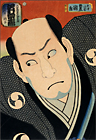
Actor Sawamura Sojuro III as Oboshi Yuranosuke, By Utagawa Kunisada (Toyokuni III), Edo period, dated 1863 (Gift of Mr. Tahata Daizo)
Japanese Gallery (Honkan) Room 10
October 30, 2012 (Tue) - November 25, 2012 (Sun)Ukiyo-e, or depictions of everyday life in the Edo period (1603-1868), initially developed in the early Edo period as paintings by artists. After this, woodblock printing developed to enable the mass production of ukiyo-e, and innovative carving and printing techniques led to the accomplishment of multicolored nishiki-e prints. Based on subjects popular with the general population, such as the pleasure quarters or Kabuki theater, nishiki-e developed primarily through yakusha-e prints of actors and bijinga portraits of beautiful women, leading to the creation of various other genres, including prints of birds and flowers, narrative tales, and landscapes. This exhibition focuses on prints from a series by Toyokuni III in his later years that are seen as representative of his bijinga and yakusha-e prints. Other works in this exhibition similarly feature the respective specialties of their creators, including a print of a beautiful standing woman by Kaigetsudo Dohan, Utagawa Hiroshige’s representative series Fifty-three Stages of the Tokaido Highway (Hoeido edition), as well as a yakusha-e five-print set by Katsukawa Shunsho.
Exhibit includes:
Standing Courtesan, By Kaigetsudo Dohan, Edo period, 18th century
Illustrations of Famous Poems: Tokusagari (The Scouring-rush Gatherer), By Katsushika Hokusai, Edo period, 19th century
Actor Sawamura Sojuro III as Oboshi Yuranosuke, By Utagawa Kunisada (Toyokuni III), Edo period, dated 1863 (Gift of Mr. Tahata Daizo)