


Arms and Armor of the Samurai | 12th–19th century
-
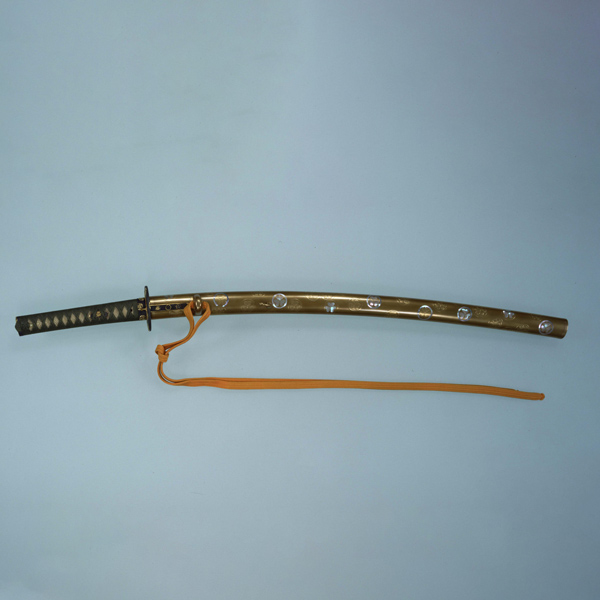
Katana Mounting (Uchigatana) with Wild-Ginger Crests
Edo period, 19th century
On exhibit from April 21, 2026 through July 5, 2026Japanese Gallery (Honkan) Rooms 15 & 16
April 14, 2026 (Tue) - July 5, 2026 (Sun)The samurai ruled Japan for nearly 700 years, from the late 12th to the 19th century. They emulated the imperial court, which was the home of high culture, but also borrowed from the practices of common people. Wishing for divine protection in this life and salvation in the next, they worshipped both Shinto and Buddhist deities. The culture of the samurai was complex and ever–changing, but always reflected their authority as the warrior class of Japan.
This gallery focuses on the most prominent symbols of samurai authority: swords, armor, and other military equipment. These had many purposes. Through diverse colors and materials, they showed the tastes of their owners. Differences in shape and construction reflected differences in rank and social standing. Many samurai passed down this equipment as heirlooms, while high–ranking samurai exchanged it as diplomatic gifts. Swords and armor were also donated to Buddhist temples and Shinto shrines in prayer for victory in battle.
| Designation | Name | Creation/ Excavation/ Provenance |
Period | Acquisition/ Ownership/ Accession Number |
CMT | ||
| Highlight | Important Cultural Property | Armor (Gusoku) with a European-Style Cuirass and Dark Blue Lacing | Azuchi-Momoyama period, 16th century | F-20137 | |||
| Important Cultural Property | Blade for a Long Sword (Katana) | Attributed to Motoshige | Nanbokuchō period, 14th century | F-19992-1 | On exhibit through April 19, 2026 | ||
| Highlight | National Treasure | Blade for a Long Sword (Tachi) | By Sukezane | Kamakura period, 13th century | F-19985-1 | On exhibit from April 21, 2026 | |
| Highlight | Katana Mounting (Uchigatana) with Wild-Ginger Crests | Edo period, 19th century | F-19985-2 | On exhibit from April 21, 2026 | |||
| Important Cultural Property | Blade for a Long Sword (Tachi) | By Sadazane | Kamakura period, 13th century | Gift of Meitokukai Foundation of the Mitani Clan of Izumo Province, F-20156-1 | On exhibit from April 21, 2026 | ||
| Highlight | Important Cultural Property | Vest Worn over Armor (Jinbaori) with Crossed Scythes | Said to have been used by Kobayakawa Hideaki | Azuchi-Momoyama period, 16th century | I-393 | On exhibit through June 28, 2026 |